
Expert Guide to Choosing the Right Nails for Pallet Wood Projects
Choosing the Right Nails for Pallet Wood Projects
Pallet wood has exploded in popularity for DIY projects, from furniture to décor. But the success of your project heavily relies on using the correct nails for pallet wood. These aren’t your standard framing nails. Pallet wood is often hard and dense, requiring nails that can penetrate without splitting the wood. This article will guide you through the best nail options, factors to consider, and how to choose the perfect fasteners for a professional finish. Understanding nail types and sizes ensures your projects are both beautiful and structurally sound. Iron Wire Factory offers a comprehensive selection to meet every need.
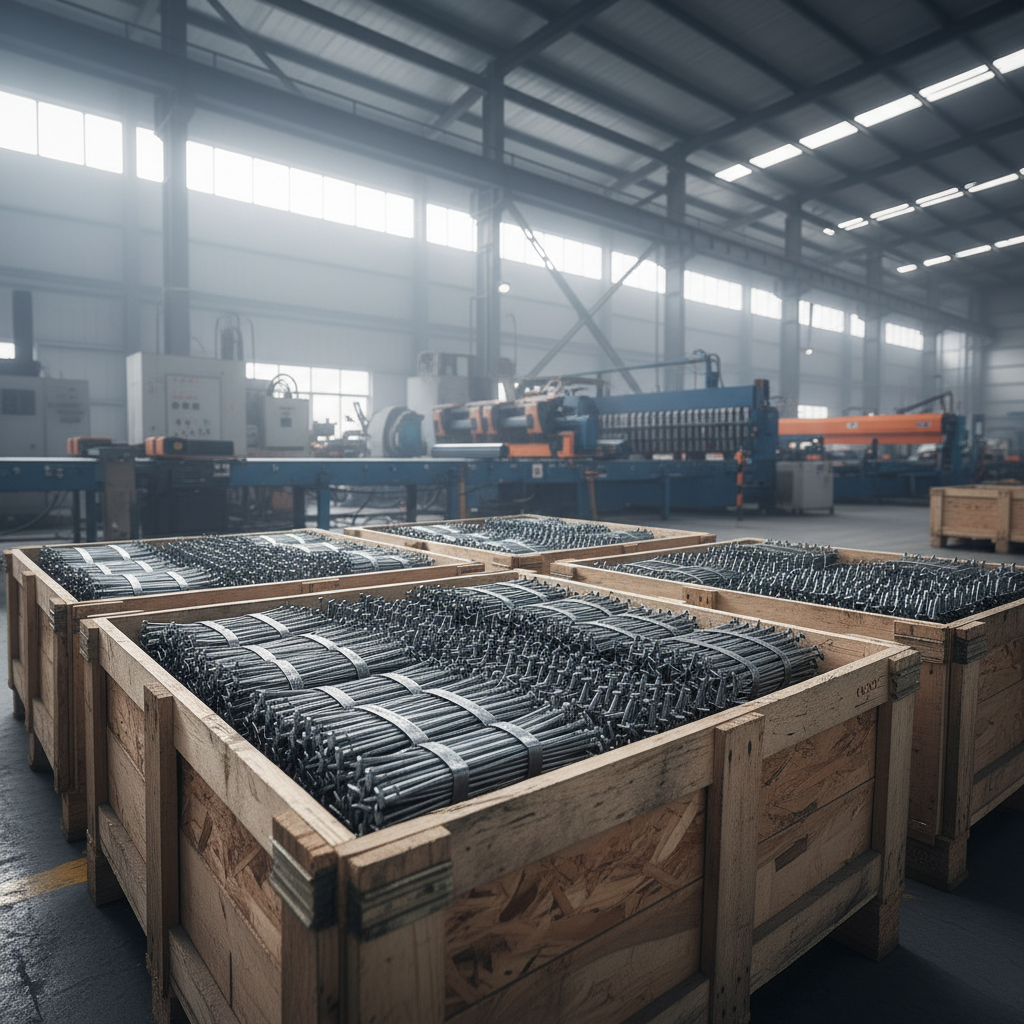
Understanding Pallet Wood and Its Challenges
Pallet wood, while affordable and readily available, presents unique challenges. It's often made from hardwoods like oak or maple, making it incredibly dense. Furthermore, the wood can be dry and brittle, prone to splitting if not fastened correctly. Many pallets are also chemically treated, impacting nail corrosion resistance. Choosing the wrong nails can lead to bent nails, split wood, or even premature rust and failure. It’s crucial to select nails designed to overcome these hurdles. Considering these factors will significantly improve your project's durability and appearance.
Key Considerations: Pallet wood density, dryness, chemical treatment, and potential for splitting all dictate the ideal nail choice.
The Best Nails for Pallet Wood Projects
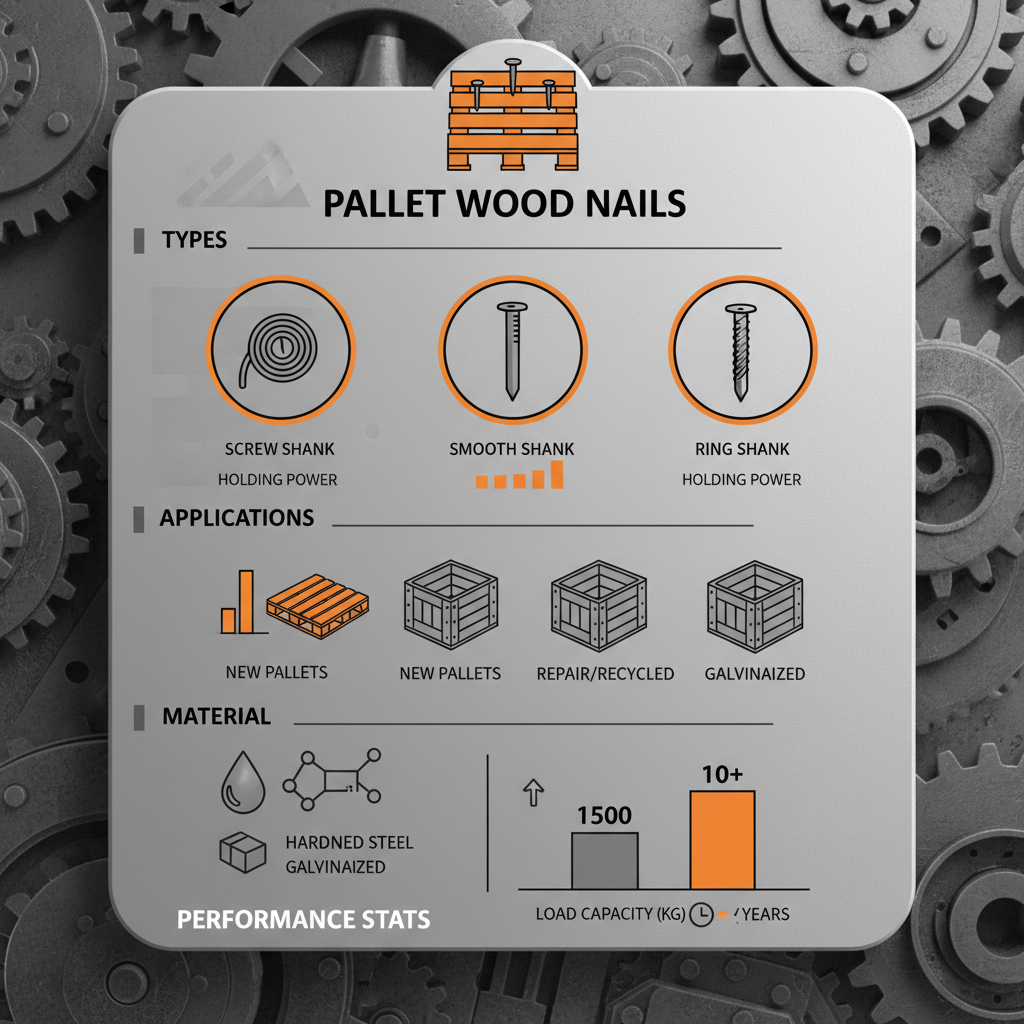
When it comes to securing pallet wood, several nail types stand out. Ring shank nails are highly recommended due to their superior holding power. The rings create more friction within the wood fibers, resisting pull-out. Spiral shank nails offer a similar benefit. For projects exposed to the elements, hot-dipped galvanized nails are essential to prevent rust. Avoid using electro-galvanized nails, as they offer minimal corrosion resistance. Finally, stainless steel nails provide the ultimate protection against rust, ideal for outdoor furniture or projects exposed to moisture.
Nail Type Benefits:
• Ring Shank: Superior holding power, resists pull-out.
• Spiral Shank: Excellent grip, ideal for hardwoods.
• Hot-Dipped Galvanized: Rust-resistant, suitable for outdoor use.
• Stainless Steel: Maximum corrosion protection, ideal for wet environments.
Nail Size Guide: Choosing the Right Length & Gauge
Selecting the correct nail size is just as important as choosing the right type. The length should generally be 2.5 to 3 times the thickness of the wood you're fastening. For typical pallet wood (around 1 inch thick), a 2.5-3 inch nail is a good starting point. The gauge (diameter) of the nail also matters. A lower gauge number indicates a thicker nail. For most pallet wood projects, a 6d or 8d nail (approximately 2-3 inches long) with a gauge of 0.113 – 0.131 inches is suitable. For larger projects or thicker pallet wood, consider using 10d or 12d nails.
Preventing Splits: Techniques for Successful Nailing
To minimize splitting, pre-drilling is highly recommended, especially when working near the edges of the wood. Using a drill bit slightly smaller than the nail diameter will create a pilot hole. You can also blunt the tip of the nail with a hammer before driving it in. This prevents the sharp point from catching and splitting the wood fibers. Clinching the nail – bending the protruding point over – provides an extra secure hold and prevents injuries. Always work with the grain of the wood, avoiding nailing directly across it whenever possible. Proper technique and the right nails ensure strong, long-lasting pallet wood projects.
Where to Find High-Quality Nails for Pallet Wood
Finding a reliable supplier is crucial for obtaining the best nails for your pallet wood projects. Iron Wire Factory offers a wide range of nails specifically suited for hardwood applications, including ring shank, spiral shank, hot-dipped galvanized, and stainless steel options. We provide detailed product specifications and competitive pricing. Our commitment to quality ensures you receive nails that will deliver superior performance and durability. Don't compromise on the integrity of your projects – choose Iron Wire Factory for all your nailing needs.
Conclusion: Building Strong and Lasting Projects
Choosing the right nails for pallet wood is essential for creating durable, attractive, and structurally sound projects. By understanding the characteristics of pallet wood and selecting nails designed to overcome its challenges, you can achieve professional results. Invest in quality nails from a trusted supplier like Iron Wire Factory and build with confidence.
Frequently Asked Questions (FAQs)
Can I use regular nails on pallet wood?
While you can use regular nails, it’s not recommended. Pallet wood’s density and hardness often cause regular nails to bend or break, resulting in a weak connection. Using the wrong nails significantly increases the risk of splitting and can compromise the structural integrity of your project. Ring shank or spiral shank nails are far more effective at gripping the wood fibers and providing a secure hold. Furthermore, regular nails often lack the necessary corrosion resistance for outdoor applications, leading to rust and eventual failure. Investing in the correct nails is a small price to pay for a lasting and safe project.
What does "shank" refer to on a nail?
The "shank" is the main body of the nail, the part that gets driven into the wood. Different shank designs offer varying levels of holding power. A smooth shank provides the least grip, while ring shank and spiral shank nails have textured surfaces (rings or spirals) that increase friction and resist pull-out. Ring shank nails have rings around the shank, creating a mechanical lock within the wood. Spiral shank nails have a twisted shank that provides a similar gripping effect. These textured shanks are particularly beneficial for hardwoods like pallet wood, where a strong and secure connection is essential.
How do I know if a nail is galvanized?
Galvanized nails have a zinc coating that protects them from rust. You can usually identify galvanized nails by their slightly dull, silver-gray appearance. However, the type of galvanization matters. Hot-dipped galvanized nails have a thicker zinc coating and offer superior corrosion resistance compared to electro-galvanized nails. Hot-dipped galvanized nails are recommended for outdoor projects or in environments with high humidity. Electro-galvanized nails are suitable for indoor projects where moisture isn’t a concern, but they won't hold up well to the elements.
Is pre-drilling always necessary for pallet wood?
Pre-drilling isn’t always necessary, but it’s highly recommended, especially when working close to the edges of the wood or with particularly dry or brittle pallet wood. Pre-drilling reduces the risk of splitting, making it easier to drive the nails straight and achieve a clean finish. While using ring shank or spiral shank nails can reduce the likelihood of splitting, pre-drilling is still a good practice to ensure a strong and reliable connection. It’s a small step that can save you a lot of frustration and rework.
-
Professional Guide to Choosing Nails for Wooden Fence PanelsNewsApr.16,2026
-
PING HONGLIN WIRE MESH CO.,LTD: African Clients Visit Factory, Deepen Cooperation to Build a Global Quality BenchmarkNewsApr.14,2026
-
Guide to Choosing the Best nails for wood trim for CarpentryNewsApr.09,2026
-
Recognized for Excellence: ANPING HONGLIN WIRE MESH Named Alibaba FY2026 TOP Transaction Merchant, Celebrating 35 Years of Manufacturing HeritageNewsApr.07,2026
-
HONGLIN WIRE MESH Showcases at WORLDBEX Philippines 2026, Earning Strong Recognition from Global Builders & DistributorsNewsApr.07,2026
-
Spanish Client Delegation Visits Our Factory for Exchange, Exploring New Cooperation Opportunities in Welded Wire ProductsNewsApr.07,2026


