
Double Wire Mesh Fence - High Security & Durable Solutions
Industry Trends and Market Dynamics in High-Security Fencing
The demand for robust, reliable, and aesthetically integrated perimeter security solutions continues to escalate across global industrial and commercial sectors. As threats evolve, so too must the defenses. A key player in this evolution is the Double Wire Mesh Fence, recognized for its superior strength, anti-climb properties, and long-term durability. Current industry trends emphasize enhanced material science, intelligent integration with access control systems, and sustainable manufacturing practices to minimize environmental impact while maximizing product lifespan. There is a discernible shift towards solutions that offer both impenetrable security and discreet visual profiles, catering to environments ranging from critical infrastructure to public parks and educational campuses.
Technological advancements are driving innovation in surface treatments, offering superior corrosion resistance and color retention, which significantly reduces maintenance costs and extends the operational life of fencing systems. Furthermore, the market is increasingly seeking modular systems that allow for rapid deployment and scalability, accommodating evolving security perimeters. Target industries include petrochemical facilities requiring explosion-proof perimeters, metallurgy plants needing durable barriers against harsh conditions, and water supply & drainage systems where secure, maintenance-free enclosures are paramount. The focus remains on providing cost-effective, high-performance security solutions that meet stringent international safety and environmental standards.
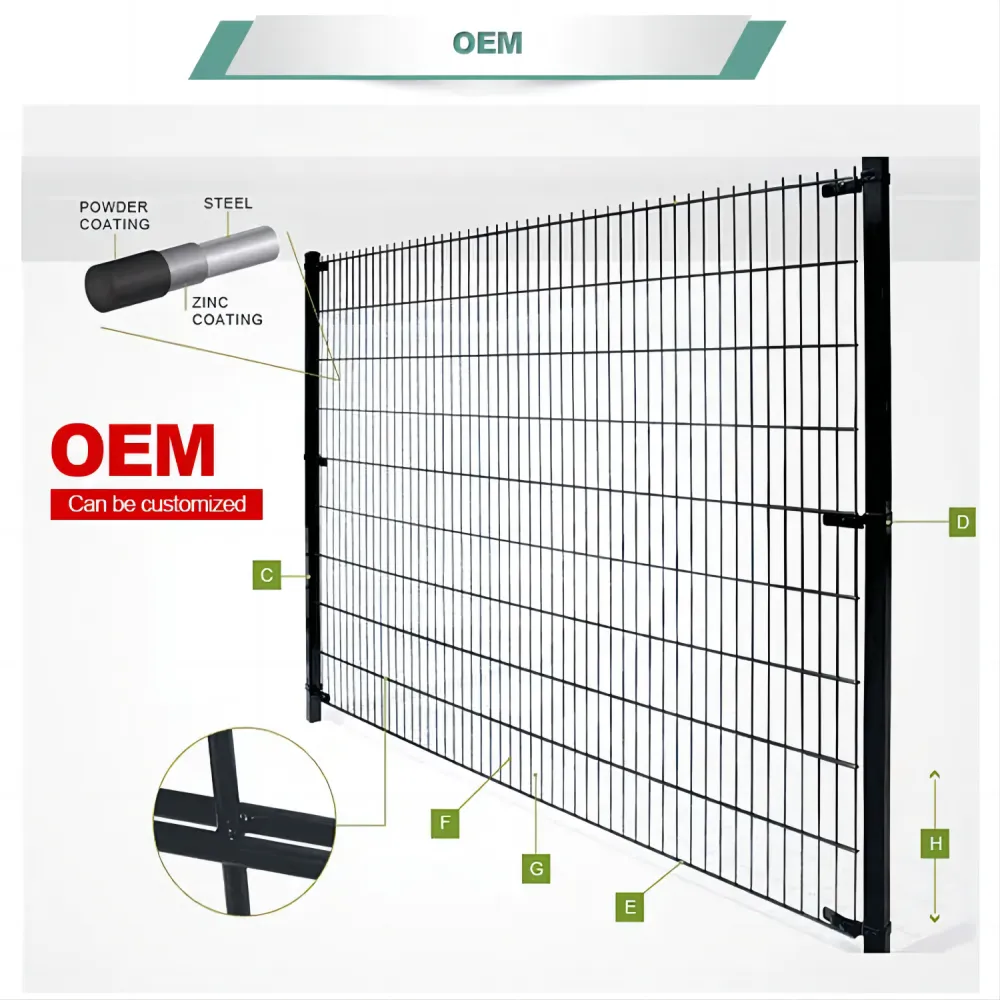
Manufacturing Process Flow of Double Wire Mesh Fence
The production of a Double Wire Mesh Fence is a meticulously controlled multi-stage process, ensuring the final product exhibits superior strength, durability, and resistance to environmental factors. Adherence to international standards like ISO 9001 for quality management is crucial at every step.
Process Stages:
- Material Selection & Wire Drawing: High-grade low-carbon steel wire or galvanized steel wire is selected. This raw material undergoes a cold-drawing process to achieve precise wire diameters, essential for the structural integrity of the mesh. Typical materials include Q195 or Q235 steel, known for their excellent formability and strength.
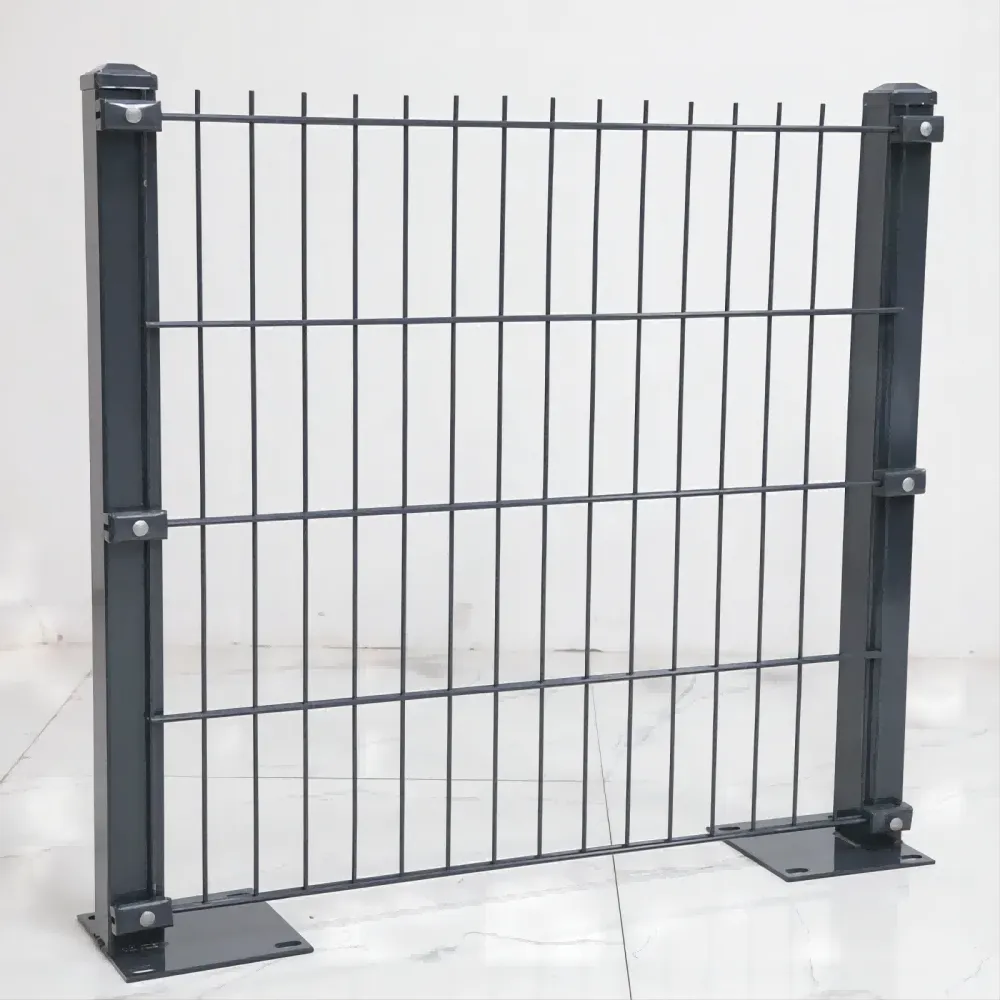
- Automated Welding: Individual wires are fed into an advanced automated welding machine. Horizontal and vertical wires are resistance-welded at each intersection to form rigid mesh panels. The "double wire" aspect refers to two horizontal wires flanking a single vertical wire, creating a high-strength, anti-cut, and anti-climb structure. Precision welding ensures consistent mesh openings and maximum joint strength, preventing panel deformation.
-
Surface Treatment (Corrosion Protection): This is a critical stage for extending service life, especially in demanding target industries like petrochemicals and metallurgy where corrosive environments are common.
- Hot-Dip Galvanizing: Panels are immersed in molten zinc, creating a metallurgically bonded coating that offers excellent sacrificial and barrier protection against rust. This process meets standards such as ASTM A123.
- Electro-Galvanizing: A thinner zinc coating applied via an electrolytic process, offering good initial corrosion resistance.
- Powder Coating: After galvanizing (typically hot-dip or electro), a polyester powder is electrostatically applied and then cured at high temperatures. This creates a highly durable, UV-resistant, and aesthetically pleasing finish in various RAL colors. This combination provides superior corrosion resistance, often exceeding 10-15 years of service life without significant degradation.
- Quality Control & Testing: Each panel undergoes rigorous inspection for welding integrity, mesh dimensions, wire diameter, panel flatness, and coating thickness. Destructive and non-destructive tests are performed to verify tensile strength, shear strength of welds, and coating adhesion. Compliance with standards like ISO 1461 for hot-dip galvanized coatings and relevant ASTM/ANSI specifications for mesh strength ensures product reliability.
- Packaging: Finished panels are carefully bundled and protected with plastic film or wooden pallets to prevent damage during transit.
This controlled manufacturing environment ensures that the Double Wire Mesh Fence provides excellent energy saving benefits through its extended service life, reducing the need for frequent replacements and associated material and labor costs. Its inherent corrosion resistance, primarily due to advanced surface treatments, is a key advantage in demanding industrial environments.
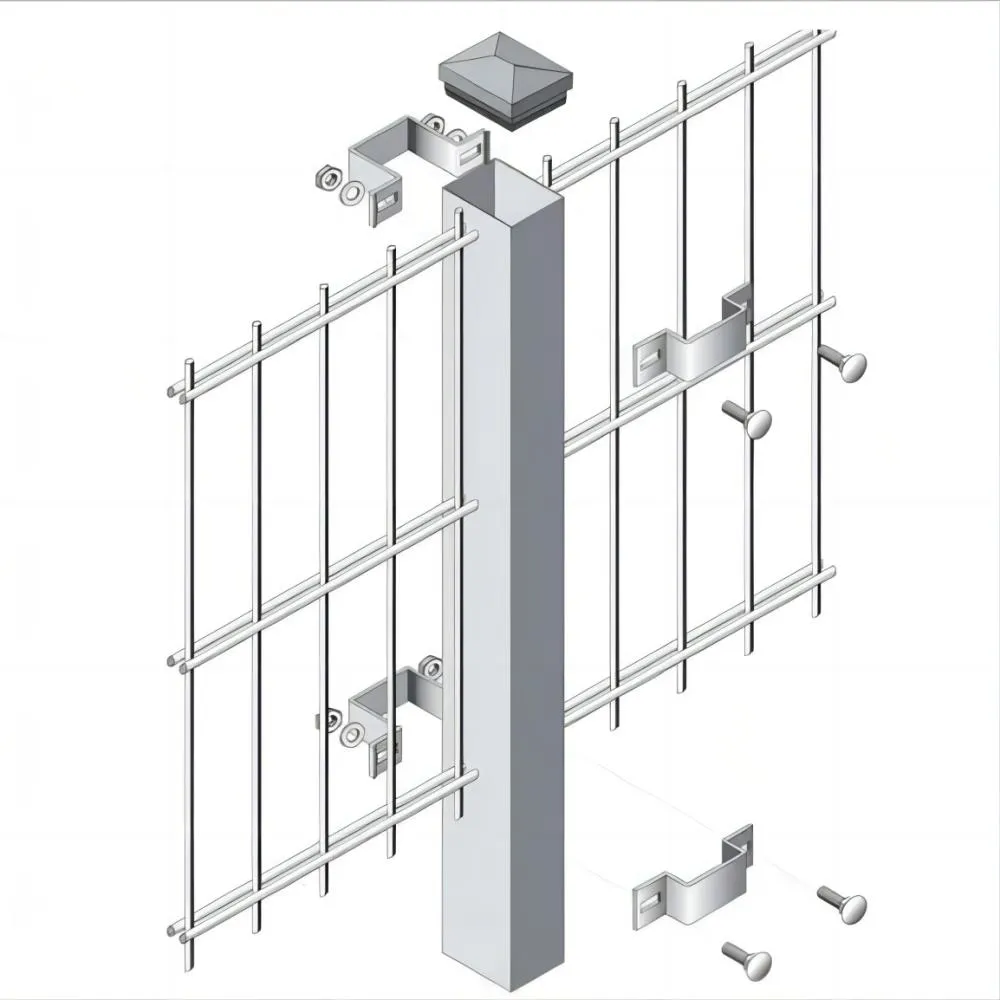
Technical Specifications and Parameters
The effectiveness of a Double Wire Mesh Fence stems from its precise technical specifications, engineered to provide maximum security and longevity. Understanding these parameters is crucial for B2B decision-makers to select the appropriate system for their specific security requirements.
Standard Product Specification Table:
| Parameter | Typical Specification (mm) | Description / Standard |
|---|---|---|
| Horizontal Wire Diameter | 6.0 / 8.0 | Diameter of the double horizontal wires. (e.g., 6/5/6 refers to 6mm horizontal, 5mm vertical) |
| Vertical Wire Diameter | 5.0 / 6.0 | Diameter of the single vertical wires. |
| Mesh Opening (H x V) | 50x200 / 55x200 / 60x200 | Standard mesh aperture, anti-climb feature. (Height x Width) |
| Panel Height | 630 - 2430 (or custom) | Typical range, can be customized to project needs. |
| Panel Width | 2500 - 3000 | Standard width for optimal installation efficiency. |
| Post Dimensions | 60x60x2.5 / 80x80x3.0 (Square) | Robust square hollow section (SHS) posts, also available in rectangular or round. |
| Post Thickness | 2.0 - 5.0 | Depending on required security level and wind load. |
| Surface Treatment | Hot-dip Galvanized + Powder Coated | Dual protection for maximum corrosion resistance and aesthetic appeal. |
| Color | RAL 6005 (Green), RAL 9005 (Black), RAL 7016 (Anthracite Grey) or Custom | Standard colors available, custom colors on request. |
| Service Life Expectancy | 15 - 25 Years | Dependent on environment and surface treatment quality. |
The structural rigidity of the Double Wire Mesh Fence is derived from the configuration of the double horizontal wires, which provide significantly greater resistance to cutting and bending than single-wire mesh systems. The precise welding and robust posts ensure a high level of security against intrusion attempts, making it suitable for areas requiring stringent perimeter control.
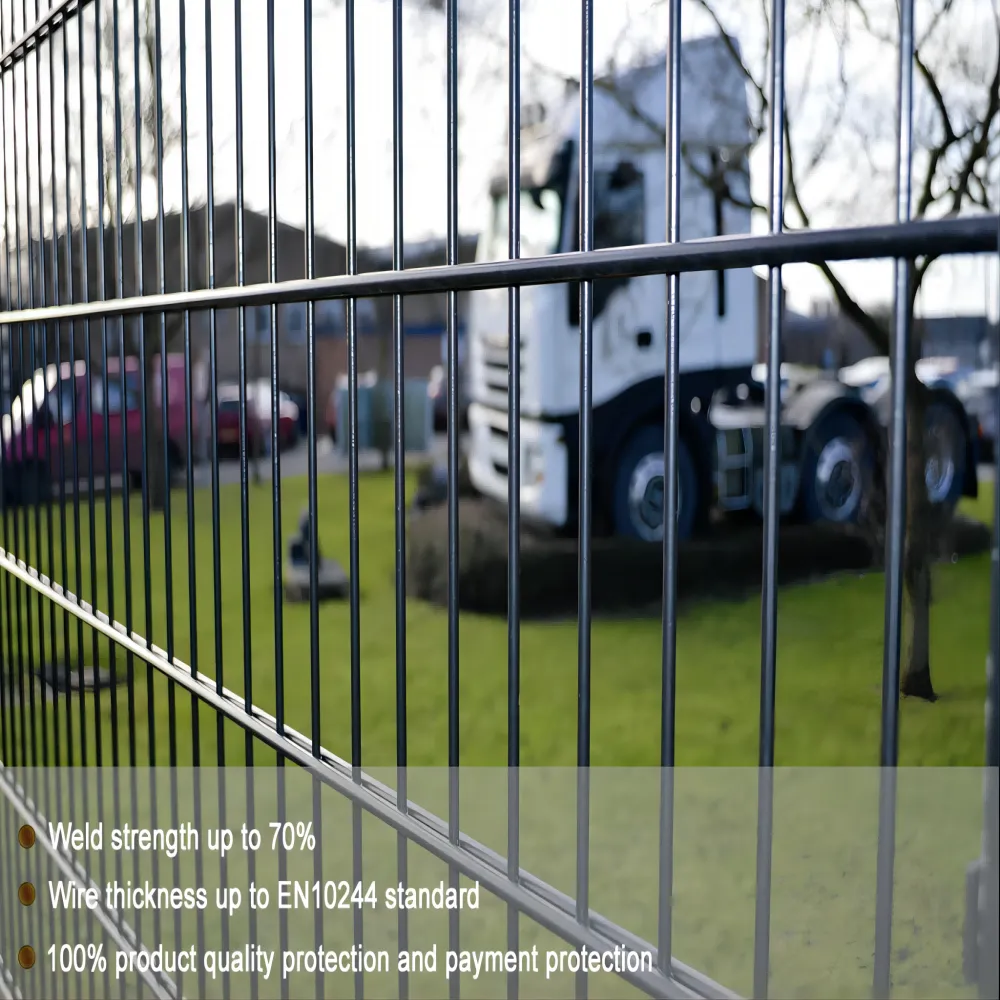
Application Scenarios and Technical Advantages
The inherent strength and versatility of the Double Wire Mesh Fence make it an ideal choice for a diverse range of high-security and perimeter definition applications. Its design directly addresses the need for robust, long-lasting, and low-maintenance solutions across various demanding sectors.
Typical Application Scenarios:
- Industrial Facilities: Securing factories, warehouses, logistics centers, and power plants where asset protection and restricted access are paramount.
- Petrochemical Plants & Energy Infrastructure: Providing robust perimeters that can withstand harsh industrial environments, including resistance to certain chemical exposures and offering excellent fire retardation due to steel construction. Its robust design minimizes risk of intrusion, a critical safety advantage in these high-risk areas.
- Transportation Hubs: Airports, railway lines, and port facilities benefit from its anti-climb properties and clear visibility for surveillance systems.
- Public Infrastructure: Schools, parks, sports fields, and public buildings requiring secure demarcation without compromising aesthetics.
- Military & High-Security Zones: Providing a formidable barrier against intrusion, often integrated with additional security features like barbed wire or electronic detection systems.
- Water Supply & Drainage Systems: Protecting critical municipal assets from vandalism and unauthorized access, where corrosion resistance is essential due to exposure to moisture and sometimes treated water.
- Data Centers & Telecommunication Sites: Safeguarding sensitive equipment and information with a high-strength physical barrier.
Technical Advantages:
- Exceptional Rigidity and Strength: The dual horizontal wire configuration (e.g., 6/5/6 or 8/6/8) provides superior resistance to cutting, bending, and deformation, significantly deterring intrusion attempts compared to single-wire systems.
- Anti-Climb & Anti-Cut Properties: Small mesh apertures, combined with thick wires and robust welding, make it extremely difficult to climb or cut through using standard tools, enhancing security levels.
- Corrosion Resistance & Extended Service Life: Multi-layer surface treatments (hot-dip galvanization followed by powder coating) provide outstanding protection against rust, weathering, and UV degradation. This ensures a service life often exceeding 15-25 years, even in harsh environments, reducing the total cost of ownership.
- Low Maintenance: Due to its robust construction and high-quality finishes, the fence requires minimal maintenance over its lifespan, leading to significant operational cost savings for organizations.
- Aesthetic Appeal: Available in various RAL colors, the powder-coated finish allows for integration into diverse architectural and landscape designs, maintaining a professional and unobtrusive appearance.
- Compatibility with Security Enhancements: Easily integrated with CCTV, access control systems, perimeter intrusion detection systems (PIDS), and anti-climb topping like barbed or razor wire for enhanced security layers.
- Environmental Resilience: Engineered to withstand extreme weather conditions, including high winds (when correctly installed with appropriate posts and foundations) and temperature fluctuations, ensuring consistent performance.
These technical advantages translate directly into enhanced security, reduced operational expenses, and peace of mind for B2B clients, making the Double Wire Mesh Fence a strategic investment in perimeter protection.
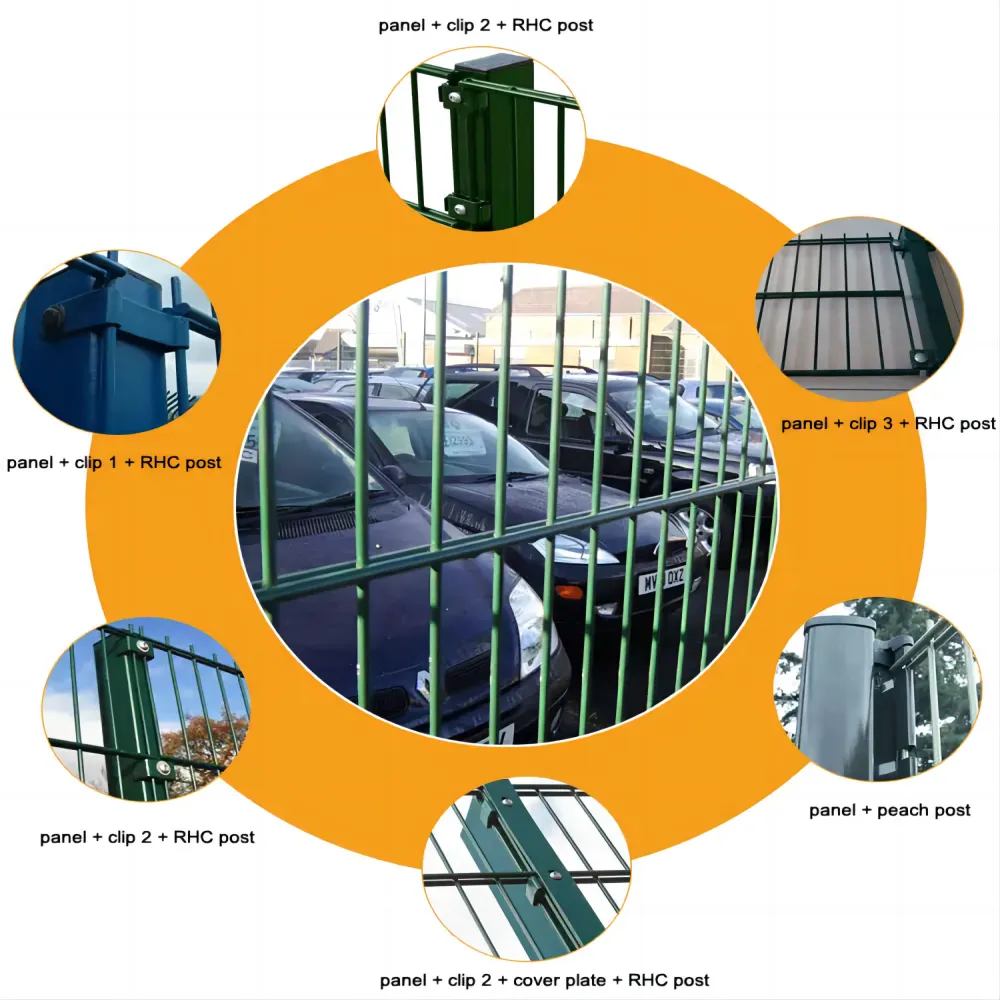
Vendor Comparison and Customized Solutions
Choosing the right supplier for a Double Wire Mesh Fence is as critical as the product itself. A thorough vendor comparison goes beyond initial price, encompassing quality, service, customization capabilities, and long-term support. Established manufacturers distinguish themselves through adherence to international standards, verifiable test data, and a proven track record.
Key Factors for Vendor Comparison:
- Certifications & Quality Assurance: Verify ISO 9001 for manufacturing quality, ISO 14001 for environmental management, and adherence to product-specific standards like ASTM, EN, or AS/NZS.
- Material Sourcing & Traceability: Reputable vendors provide full traceability of raw materials, ensuring consistency in steel quality and coating composition.
- Manufacturing Technology: Assess the level of automation in welding and surface treatment processes, which directly impacts product uniformity and quality.
- Customization Capabilities: The ability to provide bespoke solutions for unique project requirements (e.g., non-standard panel sizes, specific RAL colors, integration with specialized security components).
- Lead Time & Logistics: Evaluate the vendor's capacity for timely production and efficient global logistics, crucial for project timelines.
- Technical Support & After-Sales Service: Availability of engineering support, installation guidance, and warranty commitments are indicative of a trustworthy partner.
- Project Portfolio & Client References: Review past projects and client testimonials, especially from similar industries or project scopes.
Customized Solutions for Optimal Integration:
While standard Double Wire Mesh Fence panels offer exceptional performance, many complex projects demand tailor-made solutions. Manufacturers specializing in B2B projects often offer extensive customization options to ensure perfect integration and optimized security.
- Panel Dimensions: Custom heights and widths to fit specific site contours, existing structures, or to meet unique security threat assessments.
- Wire & Mesh Specifications: Variations in wire diameters (e.g., 5/4/5, 8/6/8), mesh openings, or even higher-density mesh for enhanced anti-climb/anti-cut properties.
- Post Systems: Different post profiles (square, rectangular, round, I-beam), gauge thicknesses, and base plate designs for diverse installation methods (concrete embedment, bolt-down, wall-mount).
- Integrated Gates & Access Points: Custom-fabricated swing gates, sliding gates, or cantilever gates that seamlessly match the fence aesthetic and security level, often pre-fitted for automation.
- Security Enhancements: Integration of anti-climb toppings (barbed wire, razor wire, shark tooth), sensor mounting brackets for PIDS, or conduits for cabling.
- Color Matching: Exact RAL color matching for corporate branding, architectural harmony, or environmental blending.
- Special Coatings: For extreme environments (e.g., marine, highly corrosive industrial zones), specialized zinc-aluminum coatings or multi-layer polymer coatings can be applied.
A proactive manufacturer will engage in a detailed consultation process, providing engineering drawings, material specifications, and test certificates to ensure the customized solution precisely meets the client's operational and security objectives.
Application Case Studies & Client Success
The practical application of Double Wire Mesh Fence systems consistently demonstrates their efficacy in real-world scenarios. Our commitment to quality and engineering excellence has resulted in successful deployments across diverse, demanding industries.
Case Study 1: Critical Infrastructure Protection (Energy Sector)
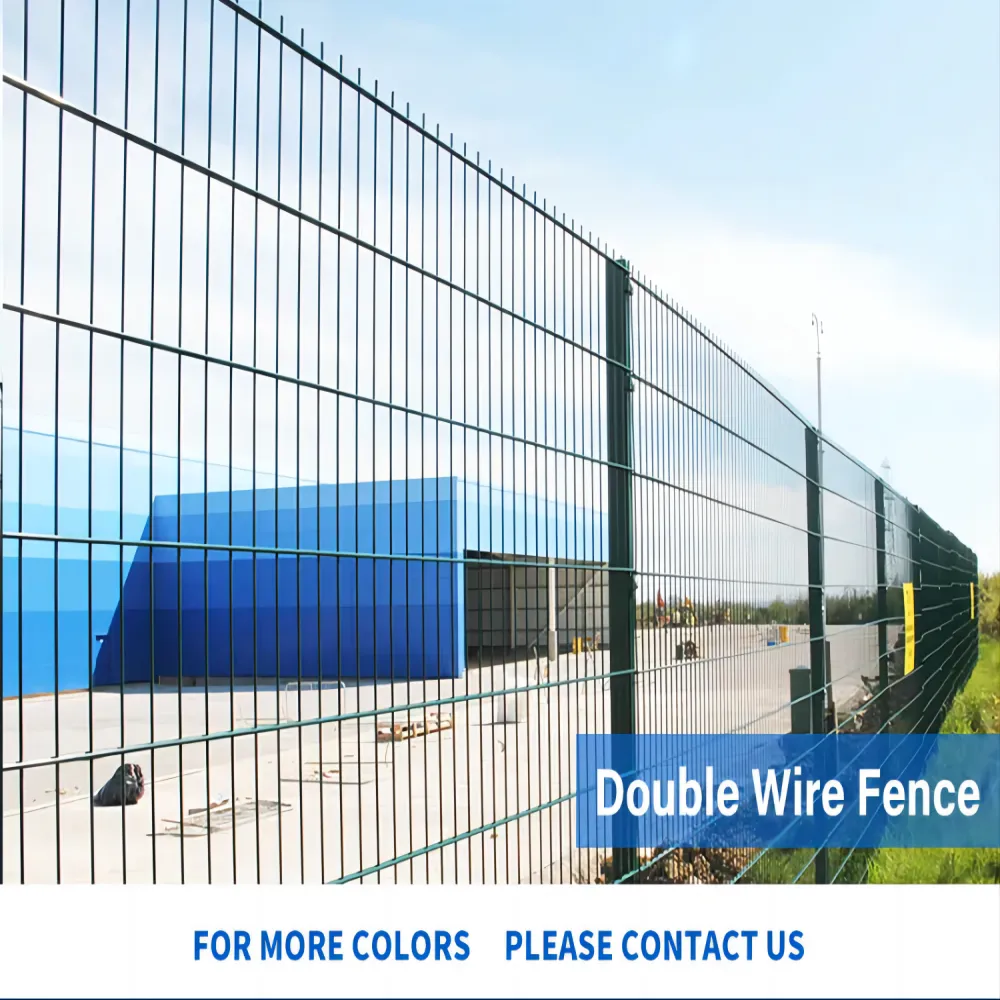
A major national power grid operator required enhanced perimeter security for a remote substation vulnerable to vandalism and unauthorized access. The existing fencing was easily breached. We deployed a customized Double Wire Mesh Fence system with 8/6/8 wire configuration, 2.4m high, featuring hot-dip galvanization and a dark green powder coat to blend with the natural environment. Integrated with a continuous top rail and barbed wire outriggers, the solution provided an impenetrable barrier. The client reported a 90% reduction in security incidents within the first year, citing the fence's robust construction and anti-climb features as key deterrents.
Case Study 2: Industrial Facility Security (Logistics & Manufacturing)
A large-scale logistics and manufacturing complex faced challenges with maintaining a secure boundary due to high traffic volumes and the need for clear visibility for CCTV. Our solution involved installing 2m high 6/5/6 Double Wire Mesh Fence panels around the entire perimeter, complemented by heavy-duty sliding gates at vehicle entry points. The open mesh design allowed for unhindered surveillance, while the rigid panels prevented cutting and climbing. The client appreciated the fence's durability, which withstood impacts from heavy machinery and harsh weather, minimizing repair needs and ensuring continuous, reliable security for over a decade.
Case Study 3: Public Amenity Enclosure (Sports & Recreation)
A municipal council sought a robust, yet aesthetically pleasing, fence for new multi-use sports courts. The requirement was for a fence that could withstand continuous impact from sports equipment, offer safety for users, and deter unauthorized access after hours. We supplied and installed 3m high 6/5/6 Double Wire Mesh Fence with a custom blue powder coat. The rigidity of the panels proved highly effective against ball impacts, and the anti-climb design secured the facility overnight. The vibrant color maintained the modern look of the sports complex, and the minimal maintenance requirement was a significant advantage for the council's operational budget.
Trustworthiness, Support, and FAQ
Frequently Asked Questions (FAQ):
- Q: What is the primary advantage of a Double Wire Mesh Fence over single wire mesh?
- A: The dual horizontal wire configuration significantly enhances rigidity, making the fence much more resistant to cutting, bending, and deformation. This provides a superior level of security and durability, offering better anti-climb and anti-cut properties.
- Q: How long can I expect a Double Wire Mesh Fence to last?
- A: With proper manufacturing (hot-dip galvanization + powder coating) and installation, our Double Wire Mesh Fences typically have a service life expectancy of 15 to 25 years, even in challenging environments. This is a testament to the quality of materials and surface treatments.
- Q: Can the fence be customized to specific project requirements?
- A: Absolutely. We offer extensive customization options, including specific panel heights and widths, varied wire diameters and mesh sizes, a wide range of RAL colors, different post types, and integrated security enhancements like gates and CCTV mounting points. Our engineering team works closely with clients to design bespoke solutions.
- Q: What are the typical lead times for an order?
- A: Standard orders typically have a lead time of 3-5 weeks from order confirmation to dispatch, depending on volume and current production schedules. Custom or large-scale projects may require additional time, which will be accurately communicated during the quotation process. We prioritize efficient fulfillment to meet project deadlines.
Lead Time & Fulfillment:
Our streamlined manufacturing and logistics processes are designed for efficient order fulfillment. We maintain robust supply chains for raw materials, allowing for prompt production scheduling. Standard orders for Double Wire Mesh Fence panels typically ship within 3-5 weeks, while large-scale or highly customized projects may range from 6-10 weeks. Detailed production schedules and delivery timelines are provided and regularly updated for each project, ensuring transparency and enabling accurate project planning for our clients. Global shipping capabilities are in place to deliver products to any location worldwide, complete with all necessary export documentation.
Warranty Commitments:
We stand behind the quality and durability of our Double Wire Mesh Fence products. All fencing systems come with a comprehensive warranty against manufacturing defects and premature corrosion (subject to specific coating types and environmental conditions). Typical warranties for our hot-dip galvanized and powder-coated fences range from 10 to 15 years, reflecting our confidence in their long-term performance. Specific warranty details are provided with each quotation and order, outlining terms and conditions to ensure complete client satisfaction and peace of mind.
Customer Support:
Our dedicated customer support team is available to assist clients from initial inquiry through installation and beyond. We offer:
- Technical Consultation: Expert advice on product selection, design optimization, and compliance with local regulations.
- Project Management: Support throughout the project lifecycle, from design to delivery.
- Installation Guidance: Detailed instructions and, where necessary, on-site support or recommended professional installers.
- After-Sales Service: Prompt response to any post-installation queries or warranty claims.
For inquiries, please contact our sales and technical support team at [Your Company Contact Information] or visit our website for more resources.
Conclusion
The Double Wire Mesh Fence stands as a premier solution for robust and reliable perimeter security in the B2B sector. Its engineered strength, superior corrosion resistance, aesthetic versatility, and minimal maintenance requirements make it an economically sound and high-performing investment for protecting critical assets across a multitude of industries. By prioritizing material quality, precision manufacturing, and comprehensive client support, we deliver fencing solutions that not only meet but exceed contemporary security demands.
References:
- ISO 9001:2015 Quality management systems – Requirements. International Organization for Standardization.
- ASTM A123/A123M-17, Standard Specification for Zinc (Hot-Dip Galvanized) Coatings on Iron and Steel Products. ASTM International.
- EN 10223-7:2012 Steel wire and wire products for fencing and netting – Part 7: Steel welded mesh fencing. European Committee for Standardization.
- The Galvanizing Process – Hot Dip Galvanizers Association.
-
Professional Guide to Choosing Nails for Wooden Fence PanelsNewsApr.16,2026
-
PING HONGLIN WIRE MESH CO.,LTD: African Clients Visit Factory, Deepen Cooperation to Build a Global Quality BenchmarkNewsApr.14,2026
-
Guide to Choosing the Best nails for wood trim for CarpentryNewsApr.09,2026
-
Recognized for Excellence: ANPING HONGLIN WIRE MESH Named Alibaba FY2026 TOP Transaction Merchant, Celebrating 35 Years of Manufacturing HeritageNewsApr.07,2026
-
HONGLIN WIRE MESH Showcases at WORLDBEX Philippines 2026, Earning Strong Recognition from Global Builders & DistributorsNewsApr.07,2026
-
Spanish Client Delegation Visits Our Factory for Exchange, Exploring New Cooperation Opportunities in Welded Wire ProductsNewsApr.07,2026


