
Essential Guide to Selecting Framing Nails for Treated Lumber Applications
Choosing the Right Framing Nails for Treated Lumber
When undertaking construction or renovation projects involving treated lumber, selecting the appropriate framing nails is crucial for structural integrity and longevity. Treated lumber, while resistant to rot and insect damage, presents unique challenges due to its chemical composition. Using the wrong nails can lead to corrosion, reduced holding power, and ultimately, project failure. This article will explore the specific considerations for choosing framing nails designed for treated lumber, covering materials, coatings, and sizing. We’ll also help you understand the importance of corrosion resistance to ensure a secure and lasting build.
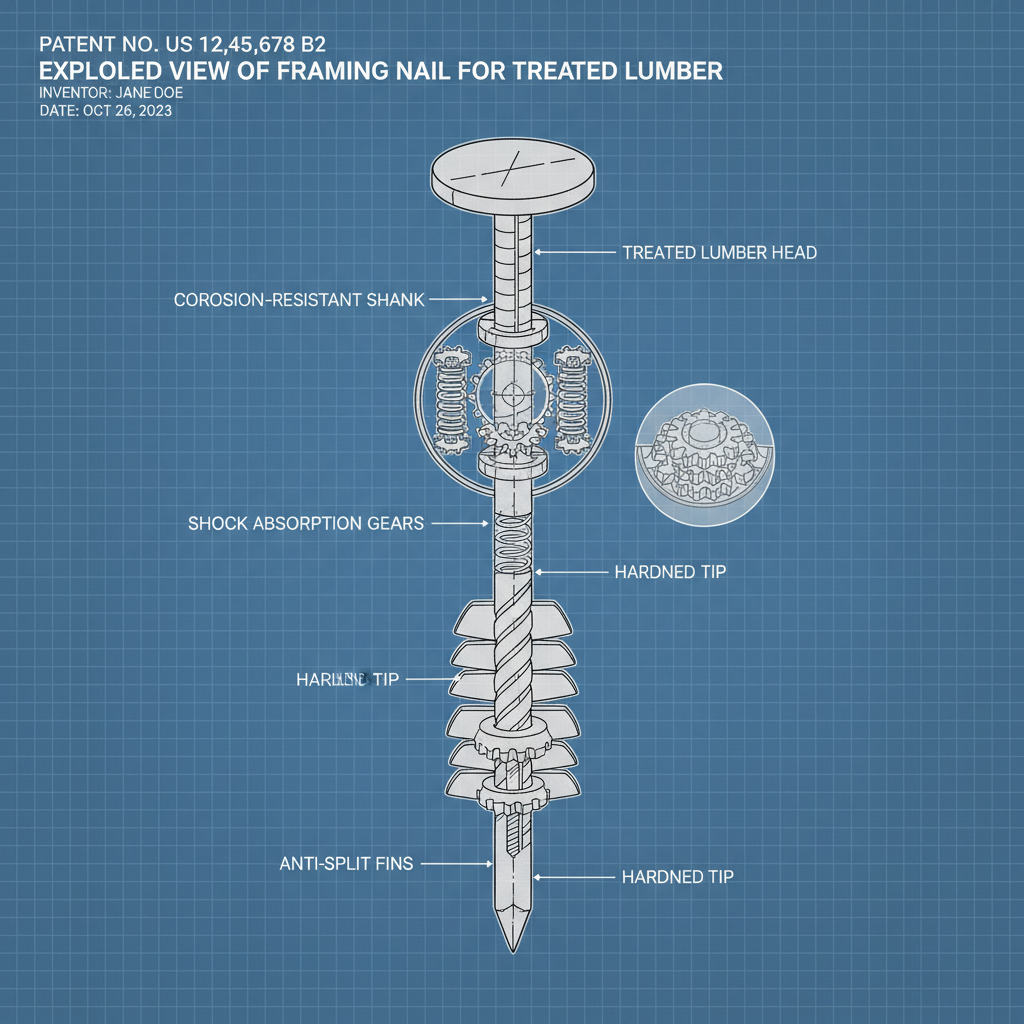
Why Standard Nails Fail with Treated Lumber
Treated lumber is impregnated with chemical preservatives to protect it from decay and pests. These chemicals, particularly alkaline copper quaternary (ACQ) and copper azole (CA), are corrosive to many common nail materials, like carbon steel. The chemical reaction causes the nails to rust rapidly, weakening their grip and eventually leading to structural instability. This corrosion is significantly accelerated compared to nails used with untreated wood. Consequently, it is vital to avoid standard nails when working with treated lumber and opt for nails specifically designed for this purpose. Using appropriate nails isn't just about preventing rust; it's about maintaining the structural integrity of your project for years to come. Choosing the right nails saves time, money, and potential safety hazards in the long run.
Key Takeaway: Corrosion from treated lumber chemicals significantly weakens standard nails, compromising structural integrity. Always use nails specifically designed for treated wood.
Understanding Nail Materials for Treated Lumber
The material of the nail is paramount when working with treated lumber. Here are the most common and effective options:
- Hot-Dip Galvanized Nails: These nails are coated with a thick layer of zinc, providing excellent corrosion resistance. They are a cost-effective option for many treated lumber applications.
- Stainless Steel Nails: Offering the highest level of corrosion resistance, stainless steel nails are ideal for harsh environments or projects requiring long-term durability. They are more expensive than galvanized nails but offer superior performance.
- Aluminum Nails: While less common, aluminum nails are naturally corrosion-resistant and suitable for certain types of treated lumber, especially where contact with other metals is a concern.
The best material depends on the specific project requirements, budget, and the type of treatment used on the lumber. Always consult local building codes and manufacturer recommendations.
Nail Material Comparison:
• Hot-Dip Galvanized: Excellent corrosion resistance, cost-effective.
• Stainless Steel: Superior corrosion resistance, highest durability, most expensive.
• Aluminum: Good corrosion resistance, suitable for specific applications.
Framing Nail Sizing and Types for Treated Lumber
Choosing the correct nail size and type is as important as selecting the right material. For framing, common nail sizes range from 16d (3.5 inches) to 31d (5.5 inches), depending on the lumber dimensions. Ring shank nails are recommended for treated lumber, as their rings provide significantly increased holding power compared to smooth shank nails. This is particularly crucial given the potential for corrosion to weaken the nail over time. Spiral shank nails offer another option, providing exceptional holding power but often requiring more force to drive.
Corrosion Resistance Ratings and Certifications
When purchasing framing nails for treated lumber, look for nails that meet specific corrosion resistance standards. These ratings, often indicated by a coating classification, help ensure the nails will withstand the corrosive effects of the treatment chemicals. Common classifications include ACQ-rated and CA-rated nails, signifying they have been tested and certified for use with those specific treatments. The Iron Wire Factory provides nails that meet these stringent standards. Always verify that the nails you select are appropriate for the type of treated lumber you are using.
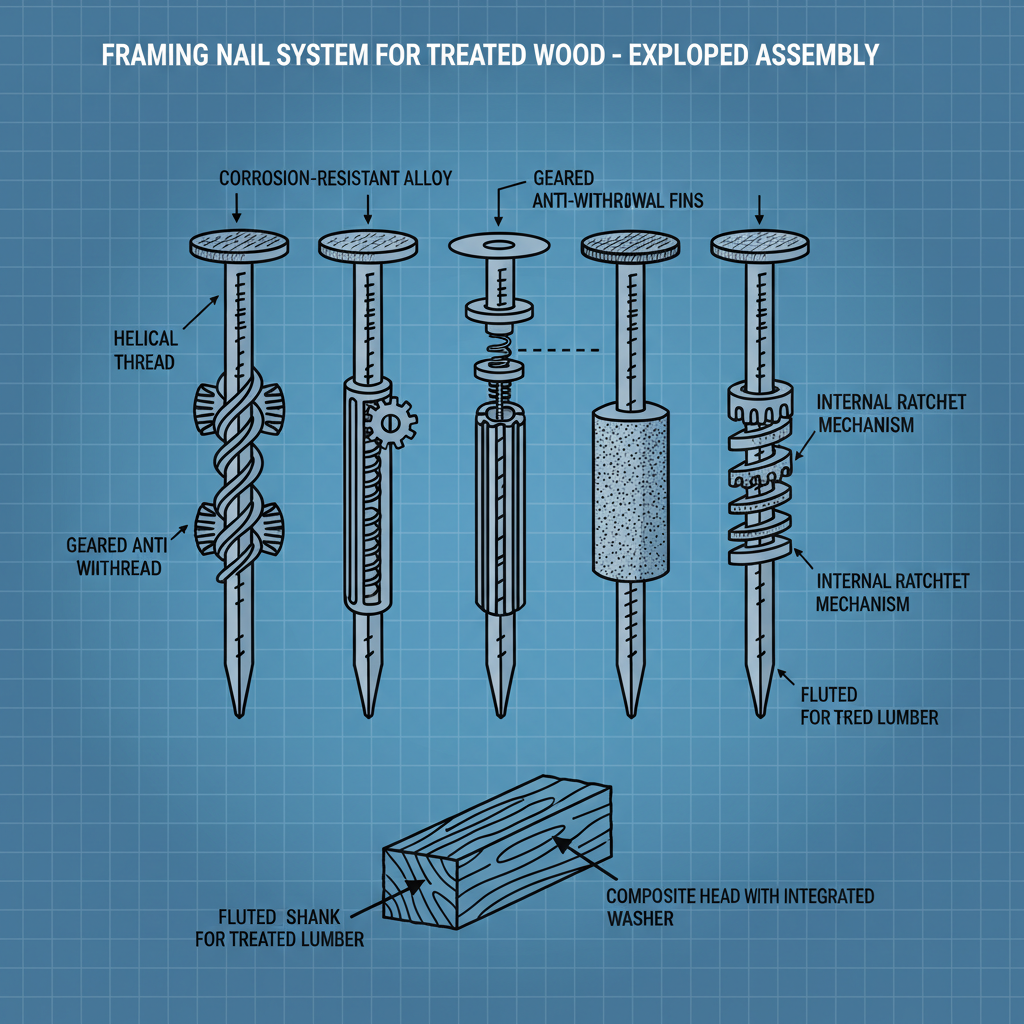
Conclusion: Protecting Your Project with the Right Nails
Choosing the correct framing nails for treated lumber is essential for a durable and safe construction project. Prioritize materials like hot-dip galvanized or stainless steel, select the appropriate nail size and shank type, and verify corrosion resistance ratings. By investing in quality nails, you're investing in the longevity and structural integrity of your work.
Frequently Asked Questions (FAQs)
What is the difference between ACQ and CA treated lumber, and does it affect nail selection?
ACQ (alkaline copper quaternary) and CA (copper azole) are both common wood preservatives used as alternatives to CCA (chromated copper arsenate). While both are effective against rot and insects, ACQ is generally more corrosive than CA. Therefore, when working with ACQ-treated lumber, prioritizing stainless steel nails is highly recommended for maximum longevity. CA-treated lumber is less aggressive, so hot-dip galvanized nails often provide sufficient protection, but stainless steel is still a good choice for critical applications. Always check the lumber’s label to identify the specific treatment used.
Can I use regular galvanized nails on treated lumber if I apply a sealant?
While applying a sealant may offer some temporary protection, it's not a reliable long-term solution. Sealants can degrade over time, and the corrosive chemicals in treated lumber can still penetrate and attack the nail. The best approach is to use nails specifically designed for treated lumber from the outset. Relying on a sealant as a workaround can compromise the structural integrity of your project and void any warranties.
What is the benefit of using ring shank nails over smooth shank nails for treated lumber?
Ring shank nails have rings along the shank that significantly increase their holding power. This is especially important with treated lumber because the corrosion process can gradually weaken the nail's grip. The rings bite into the wood fibers, creating a more secure connection that is less likely to pull out over time. Smooth shank nails rely solely on friction, making them more susceptible to loosening in corrosive environments.
Where can I find high-quality framing nails for treated lumber?
You can find a wide selection of high-quality framing nails specifically designed for treated lumber at Iron Wire Factory. We offer a range of materials, sizes, and shank types to meet your specific project needs. Our nails are rigorously tested to ensure they meet industry standards for corrosion resistance and holding power.
-
Professional Guide to Choosing Nails for Wooden Fence PanelsNewsApr.16,2026
-
PING HONGLIN WIRE MESH CO.,LTD: African Clients Visit Factory, Deepen Cooperation to Build a Global Quality BenchmarkNewsApr.14,2026
-
Guide to Choosing the Best nails for wood trim for CarpentryNewsApr.09,2026
-
Recognized for Excellence: ANPING HONGLIN WIRE MESH Named Alibaba FY2026 TOP Transaction Merchant, Celebrating 35 Years of Manufacturing HeritageNewsApr.07,2026
-
HONGLIN WIRE MESH Showcases at WORLDBEX Philippines 2026, Earning Strong Recognition from Global Builders & DistributorsNewsApr.07,2026
-
Spanish Client Delegation Visits Our Factory for Exchange, Exploring New Cooperation Opportunities in Welded Wire ProductsNewsApr.07,2026


