
Expert Guide to Selecting the Best Nails for Hardwood Floor Installation
Choosing the Right Nails for Hardwood Floor Installation
Installing a hardwood floor is a significant investment, and selecting the appropriate nails for hardwood floor installation is crucial for a long-lasting and beautiful result. The wrong nails can lead to squeaking floors, damage to the wood, and even structural issues. This article will guide you through the different types of nails, their applications, and factors to consider when making your selection. We'll cover everything from nail gauge and length to head styles and materials, ensuring you have the knowledge to confidently tackle your hardwood flooring project.
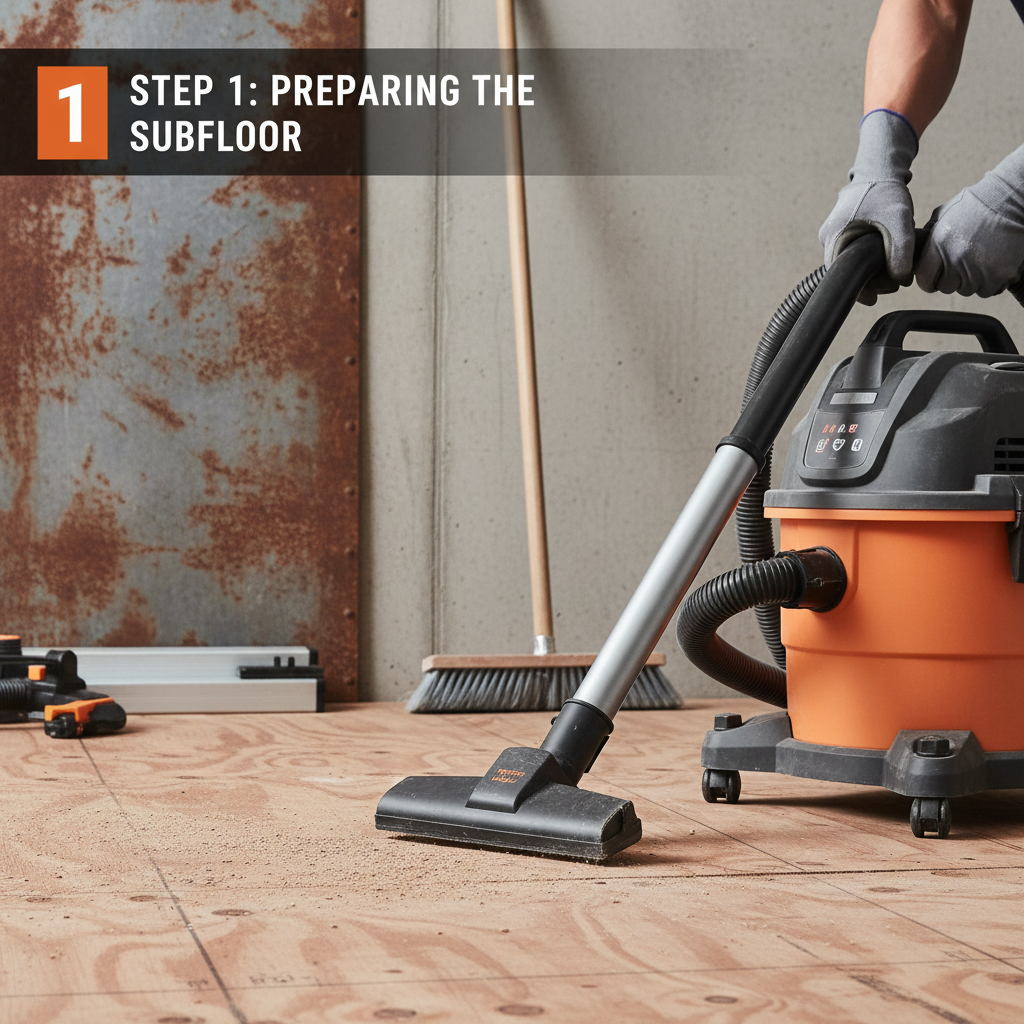
Understanding Different Types of Hardwood Flooring Nails
Several types of nails are commonly used for hardwood floor installation. Each boasts unique characteristics that make them suitable for specific applications. Finish nails are often used for the final rows of flooring, providing a clean and discreet appearance. Brad nails, smaller in gauge, are often preferred for installing delicate or thinner hardwood. Secret nailing, a method that conceals the nail heads, typically utilizes specialized nails with angled shanks. Choosing the right type depends on the wood species, thickness, and installation method. Understanding these distinctions is the first step to a successful installation. The quality of nails, available from reputable suppliers like Iron Wire Factory, significantly impacts the longevity of your floor.
Key Considerations: Selecting nails should align with the wood’s thickness, the subfloor material, and the installation technique used.
Nail Gauge and Length: A Crucial Combination
The gauge (diameter) and length of the nail are critical factors. A thicker gauge nail provides greater holding power, but it's also more likely to split the wood if it's too large. The ideal length ensures the nail penetrates sufficiently into the subfloor without protruding through the floor's surface. Generally, a nail length of approximately 2.5 to 3 times the thickness of the hardwood is recommended. For instance, for 3/4" thick hardwood, a 2" to 2.5" nail is often appropriate. Consider the subfloor type – concrete requires specialized concrete nails. Iron Wire Factory offers a comprehensive selection of gauges and lengths to suit your specific project needs.
Gauge & Length Guidelines:
• 15-gauge: For thicker hardwood (over 3/4") and robust subfloors.
• 16-gauge: A versatile option for most 3/4" hardwood installations.
• 18-gauge: Ideal for thinner hardwood or where minimal splitting is required.
• Length: Typically 2-3 times the wood thickness, adjusted for subfloor type.
Nails for Hardwood Floor Installation: A Comparison
Different nail types offer distinct advantages. Here's a comparison to help you choose the best option for your project:
Material Matters: Steel vs. Stainless Steel Nails
The material of the nail also influences its performance. Steel nails are the most common and cost-effective option, providing adequate holding power for most applications. However, they are susceptible to corrosion, particularly in humid environments. Stainless steel nails offer superior corrosion resistance, making them ideal for use in bathrooms, kitchens, or near water sources. Although more expensive, their longevity makes them a worthwhile investment in these areas. Iron Wire Factory stocks both steel and stainless steel nails to suit diverse project requirements.
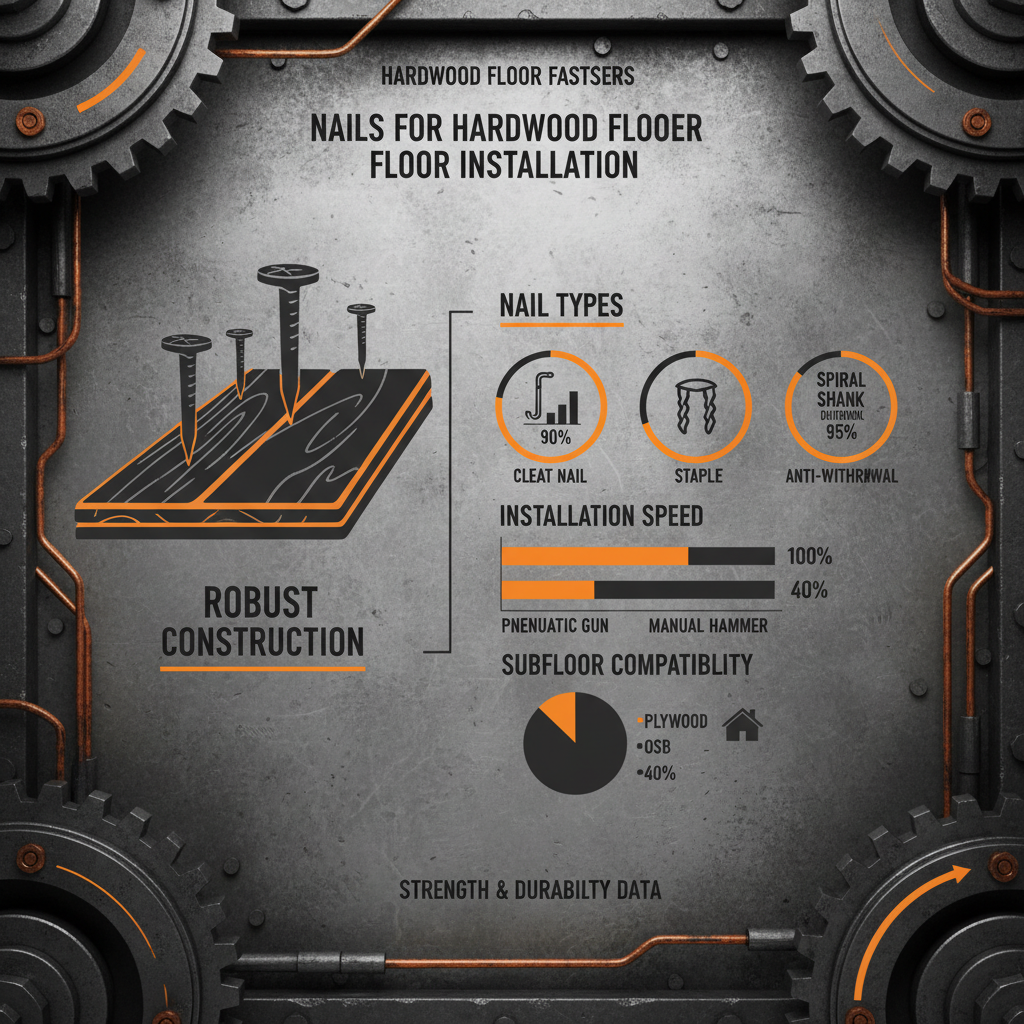
Technical Specifications and Quality Assurance
When selecting nails, look for products that meet industry standards for quality and durability. Nails from reputable manufacturers like Iron Wire Factory undergo rigorous testing to ensure consistent performance. Consider the nail’s shank type (smooth, ringed, or barbed) – ringed and barbed shanks provide increased holding power. Ensure the nails are appropriately coated to prevent corrosion and facilitate easy driving. High-quality nails minimize the risk of bending, breaking, or stripping during installation.
Conclusion: A Solid Foundation for Your Hardwood Floor
Choosing the right nails for hardwood floor installation is a fundamental aspect of a successful flooring project. By considering factors like wood thickness, installation method, and environmental conditions, you can select the nails that will provide optimal holding power, prevent damage, and ensure a beautiful, long-lasting floor. Invest in quality nails from a trusted supplier like Iron Wire Factory, and enjoy the fruits of your labor for years to come.
Frequently Asked Questions (FAQs)
What is the best way to prevent hardwood floor nails from squeaking?
Squeaking floors are often caused by nails loosening over time. To prevent this, ensure you use nails of the correct length and gauge for your wood and subfloor. Avoid overtightening the nails, as this can damage the wood and lead to squeaking. If squeaking occurs, you can try tapping the nails in further with a nail set, or using a specialized floor repair kit. Using a high-quality nail, like those from Iron Wire Factory, can also minimize the risk of squeaking due to its superior holding power.
Can I use a nail gun for hardwood floor installation?
Yes, a nail gun can significantly speed up the installation process. However, it's crucial to use a nail gun specifically designed for hardwood flooring and to adjust the depth setting correctly to avoid damaging the wood. Always test the nail gun on a scrap piece of wood before using it on the actual floor. Ensure the nail gun is compatible with the type and gauge of nails you are using.
What are the benefits of using stainless steel nails?
Stainless steel nails offer excellent corrosion resistance, making them ideal for areas prone to moisture, such as kitchens, bathrooms, or basements. They prevent staining and rust, ensuring a clean and professional appearance. While they are more expensive than steel nails, their longevity and resistance to corrosion make them a worthwhile investment in the long run. Iron Wire Factory offers a range of stainless steel nail options to meet your needs.
How do I choose the right nail for engineered hardwood flooring?
Engineered hardwood typically requires smaller gauge nails than solid hardwood. Brad nails (18-gauge) are often recommended for thinner engineered hardwood. Ensure the nail length is sufficient to penetrate the subfloor without going through the back of the engineered wood. Consult the manufacturer’s installation instructions for specific recommendations, and always test on a scrap piece before proceeding.
-
Professional Guide to Choosing Nails for Wooden Fence PanelsNewsApr.16,2026
-
PING HONGLIN WIRE MESH CO.,LTD: African Clients Visit Factory, Deepen Cooperation to Build a Global Quality BenchmarkNewsApr.14,2026
-
Guide to Choosing the Best nails for wood trim for CarpentryNewsApr.09,2026
-
Recognized for Excellence: ANPING HONGLIN WIRE MESH Named Alibaba FY2026 TOP Transaction Merchant, Celebrating 35 Years of Manufacturing HeritageNewsApr.07,2026
-
HONGLIN WIRE MESH Showcases at WORLDBEX Philippines 2026, Earning Strong Recognition from Global Builders & DistributorsNewsApr.07,2026
-
Spanish Client Delegation Visits Our Factory for Exchange, Exploring New Cooperation Opportunities in Welded Wire ProductsNewsApr.07,2026


