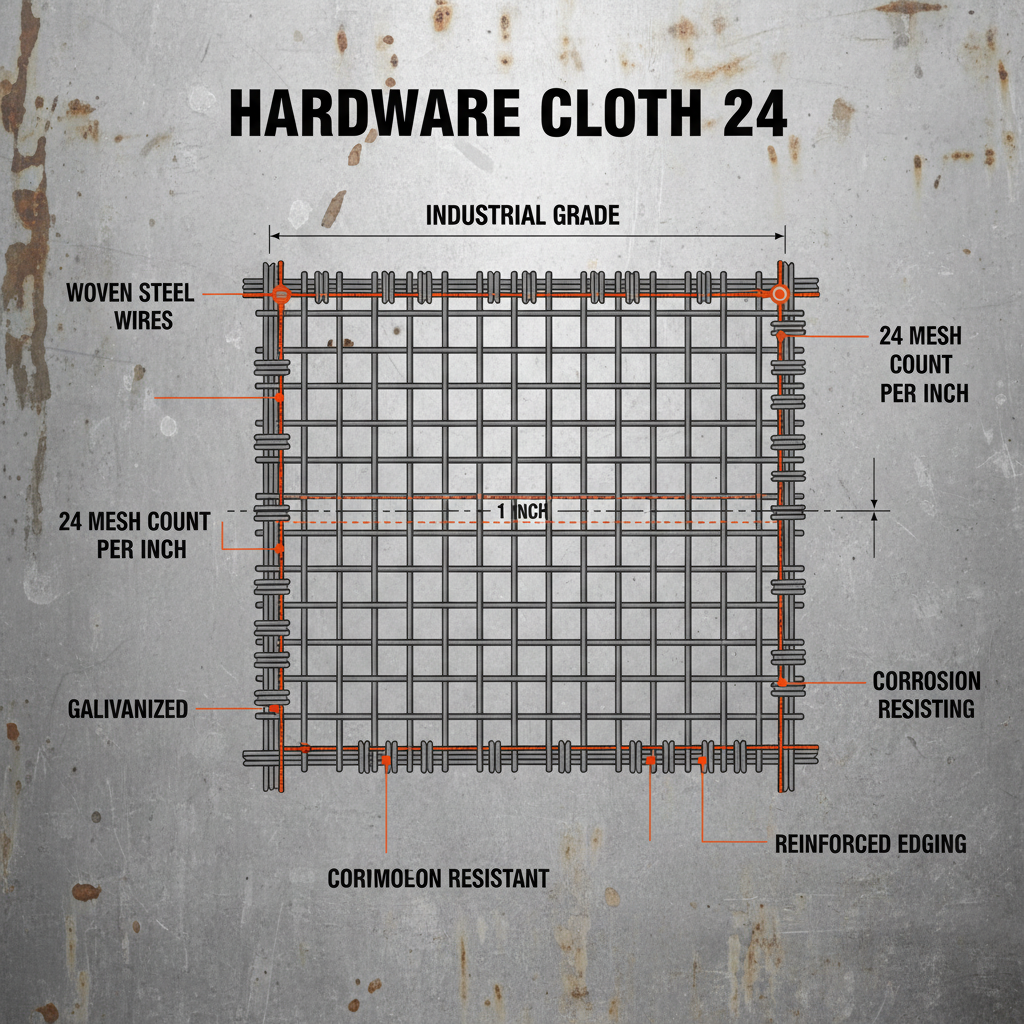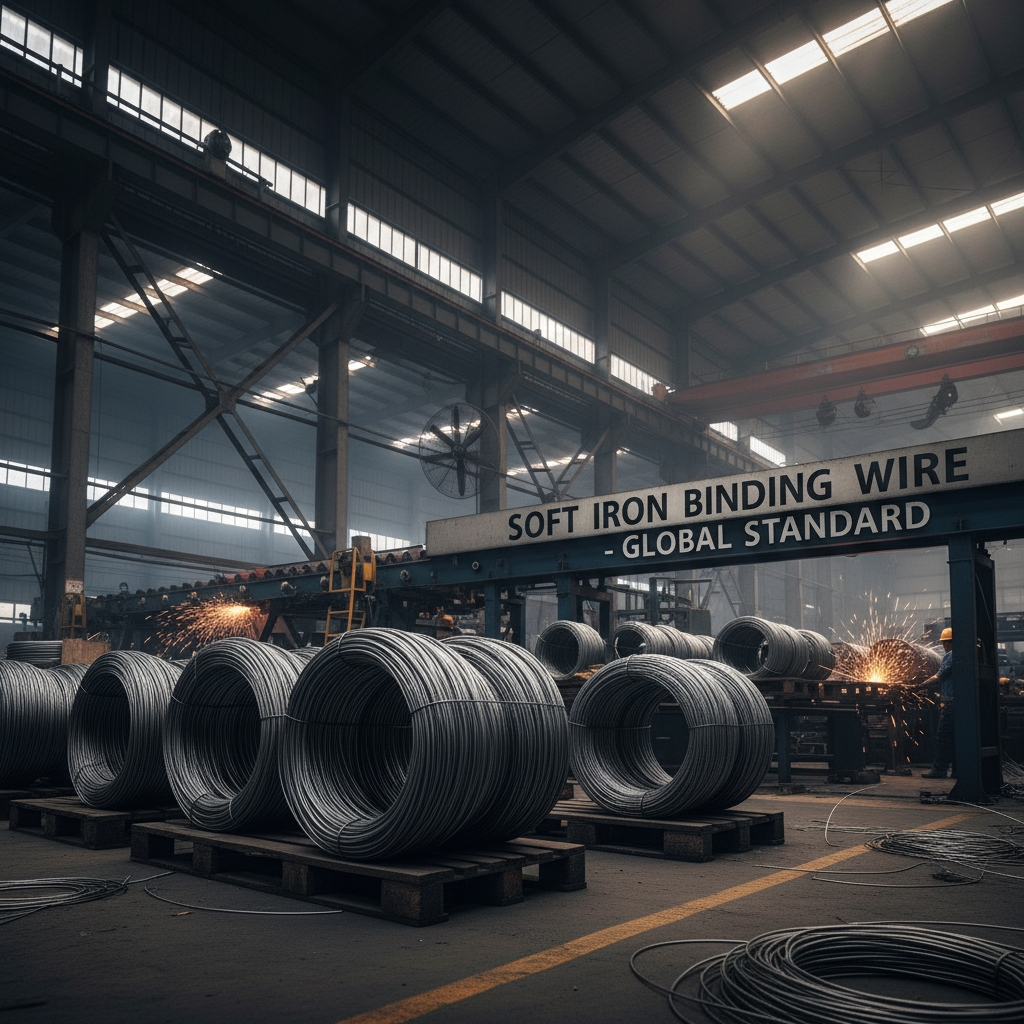
Professional mesh manufacturers specialize in the engineering and production of high-precision wire mesh and related metal products. These entities leverage advanced metallurgy and weaving technologies to create barriers, filters, and structural supports that meet stringent international industrial standards. By focusing on material purity and structural integrity, they provide the essential infrastructure for everything from simple agricultural fencing to complex chemical filtration systems.
Selecting the right manufacturer is often a challenge for procurement teams due to the vast variance in coating quality, tensile strength, and material consistency. In sectors like construction, mining, and chemical processing, a failure in mesh integrity can lead to operational downtime or safety hazards. Understanding the technical capabilities of a supplier, including their automation level and quality control protocols, is critical for ensuring long-term project viability.
This guide examines the critical selection criteria for partnering with mesh manufacturers, analyzes the technical specifications of essential products like cutting wire and security fencing, and provides a framework for evaluating supplier reliability. Readers will gain the necessary insights to balance cost-efficiency with technical performance when sourcing industrial metal mesh solutions.

1Foundations of Wire Mesh Manufacturing

The process of producing industrial mesh begins with the selection of high-quality raw wire, which is then straightened and treated. For products like cutting wire, the material is precisely cut to specific lengths after straightening, ensuring uniformity across thousands of units. This foundational step is where the quality of the final product is determined, as any impurity in the iron or steel can lead to premature corrosion or structural failure under load.
Modern manufacturers utilize automated production lines to maintain these tolerances. The integration of computerized cutting and weaving systems reduces human error and ensures that specifications—such as those for the 0.6mm to 6mm wire diameters common in cutting wire—are strictly adhered to across the entire production batch.
Beyond the mechanical process, surface treatment plays a pivotal role. Whether utilizing electro-galvanization, hot-dip galvanization, or PVC coating, the objective is to create a barrier against oxidation. This is particularly critical for products deployed in chemical environments or outdoor construction sites where humidity and salt spray are prevalent.
2Technical Specifications and Material Grades
Technical excellence in mesh manufacturing is defined by the synergy between material chemistry and physical dimensions. For example, cutting wires are often categorized by their coating: black annealed for flexibility and internal use, or hot-dipped galvanized for maximum outdoor durability. The zinc coating thickness, typically ranging from 30g to 70g, directly correlates to the years of service a product can provide before rust penetrates the core.
When evaluating specifications, procurement officers must look beyond the basic dimensions. The tensile strength—often ranging between 33-50kg/mm² for standard iron wires—must be aligned with the actual operational stress the product will face. A mesh designed for animal cages requires different structural properties than a 358 security fence designed to resist forced entry.
Moreover, the precision of the aperture size in woven meshes is vital for filtration and screening. Manufacturers must employ rigorous in-process controls and spectrometers to verify that the alloy composition matches the requested grade, ensuring that the chemical resistance properties are not compromised during the smelting or coating process.
3Industrial Applications and Use Cases
The versatility of wire mesh allows it to be deployed across diverse sectors. In construction, cutting wire and binding wire are essential for securing rebar and maintaining structural alignment. In mining and chemical industries, specialized mesh is used for sorting materials or as a protective barrier around hazardous equipment, where chemical resistance is the primary requirement.
Security applications demand more robust solutions. The 358 Security Fence, for instance, is engineered with a tight mesh that makes it nearly impossible to climb or cut with handheld tools. Similarly, Gabion boxes utilize heavy-duty galvanized mesh to stabilize slopes and prevent erosion in civil engineering projects, demonstrating the product's capacity for load-bearing and environmental stability.
Agricultural use remains a massive driver, with chicken, rabbit, and dog cages requiring a balance between cost and durability. In these scenarios, the focus shifts to animal safety and ease of maintenance, often utilizing PVC coatings to prevent sharp edges and increase the lifespan of the cage in humid environments.
4Performance Analysis and Quality Metrics
Evaluating a manufacturer's performance requires a data-driven approach. Key performance indicators (KPIs) include the uniformity of the zinc coating and the consistency of the wire diameter. A high-quality manufacturer will provide inspection certificates and lab reports for each shipment, detailing the actual tensile strength and coating weight measured by spectrometers and tensile testers.
Comparing a specialized manufacturer to a general trader often reveals a significant gap in quality control. Specialized entities maintain their own automated production lines and testing facilities, allowing them to optimize the production process for specific client needs, such as custom lengths for cutting wire or specific aperture sizes for security panels.
mesh manufacturers Performance Metrics
The data typically shows that direct manufacturers offer higher customization capabilities and more consistent tensile strength because they control the raw material intake. While traders may offer lower initial prices, the total cost of ownership often increases due to higher failure rates and shorter product lifespans resulting from inconsistent material grades.
5Procurement Strategies for Global Sourcing
Efficient procurement of wire mesh involves a multi-stage validation process. First, the technical requirements must be clearly defined: material (e.g., PVC coated), wire diameter, and precise lengths. For cutting wire, requesting a sample in a standard size allows the buyer to verify the straightening quality and the integrity of the coating before committing to a large-scale order.
Payment and delivery terms are also critical. A typical industry standard involves a 30% advance payment with the balance paid against the copy of the Bill of Lading (B/L). Buyers should evaluate the delivery lead time—usually around 20 days—and ensure it aligns with their project timeline to avoid costly construction delays.
Finally, evaluating the manufacturer's international experience is key. Companies that regularly participate in global trade shows like the Canton Fair or NAHB IBS generally have a better understanding of the regulatory requirements and shipping standards of different regions, reducing the risk of customs issues or non-compliance with local building codes.
6Future Trends in Metal Mesh Engineering
The wire mesh industry is moving toward higher automation and the use of advanced alloy materials. We are seeing an increase in the adoption of high-tensile, low-carbon steels that offer superior strength-to-weight ratios. This allows for the creation of security fences that are lighter to install but more difficult to penetrate, reducing both labor costs and material waste.
Sustainability is also becoming a core focus. Manufacturers are exploring more eco-friendly coating processes that reduce the release of volatile organic compounds (VOCs) during PVC application. Additionally, the shift toward recycled steel inputs is helping the industry reduce its overall carbon footprint without compromising the structural integrity of the final mesh products.
Furthermore, the demand for highly customized, "one-stop" solutions is growing. Clients no longer want just a product; they want a tailored solution that includes everything from material selection and aperture design to final surface treatment, ensuring that the mesh is perfectly optimized for its specific environmental stressors.
7Comparative Analysis of Mesh Solutions
Choosing between different mesh types requires a trade-off analysis between cost, durability, and application. For example, while black annealed wire is cost-effective for indoor binding, it lacks the oxidation resistance required for outdoor use, where galvanized options are essential. The decision matrix should be based on the expected lifespan of the installation and the severity of the environment.
Security fences present another comparison: the standard chain link fence provides basic demarcation, whereas the 358 Security Fence provides high-level deterrence. The increased initial investment in high-security mesh is often offset by the reduced need for additional security personnel and the lower probability of successful breaches.
| Product Type | Primary Strength | Best Application | Main Limitation |
|---|---|---|---|
| Cutting Wire | Precision Lengths | Construction Binding | Low Load Bearing |
| 358 Security Fence | Anti-climb/Cut | High-Security Sites | Higher Initial Cost |
| Gabion Box | Structural Stability | Slope Reinforcement | Heavy Weight |
| PVC Coated Mesh | Corrosion Resistance | Animal Cages | Coating Wear over Time |
| Hot-Dip Galv. Mesh | Extreme Durability | Industrial Filtering | Less Flexible |
| Black Annealed Wire | High Flexibility | Internal Tying | Rapid Oxidation |
Ultimately, the most successful procurement strategy involves partnering with a manufacturer that can provide a detailed technical analysis of these trade-offs. By aligning the material grade and coating with the actual operational risks, companies can optimize their budgets while ensuring maximum product performance.
Frequently Asked Questions
Conclusion
Navigating the complexities of industrial mesh procurement requires a deep understanding of the relationship between material science and operational application. By prioritizing manufacturers who maintain strict quality control, utilize automated production, and provide transparent technical data, procurement teams can ensure the longevity and safety of their infrastructure. Whether sourcing 358 security fencing for high-risk assets or precision cutting wire for construction, the focus must remain on verified tensile strength and coating integrity.
For organizations evaluating sustainable and high-performance metal mesh solutions, reviewing technical specifications and requesting material samples is the most effective way to mitigate risk. Those seeking further technical data or personalized quotes for industrial mesh products can explore the available resources and product range at www.ironwirefactorys.com.