Finding cheap wire mesh often presents a challenge for procurement managers in the metal products industry who must balance initial expenditure with long-term structural integrity. In the context of large-scale fencing and industrial screening, the term "cheap" should not signify low quality, but rather the optimization of material specifications to achieve the most cost-effective solution for a specific application.
The primary problem buyers face is the "cost-quality paradox," where overly inexpensive materials lead to premature corrosion or mechanical failure, resulting in higher replacement costs. Whether you are securing a commercial perimeter or building animal cages, understanding the relationship between wire gauge, coating thickness, and material grade is essential to reducing the total cost of ownership.
This guide provides a professional framework for identifying cost-effective wire mesh solutions without compromising safety. We will analyze the factors that drive pricing, compare common budget-friendly material options, and provide a decision matrix to help you select the most economical mesh for your specific project requirements.

Understanding the Cost Structure of Wire Mesh

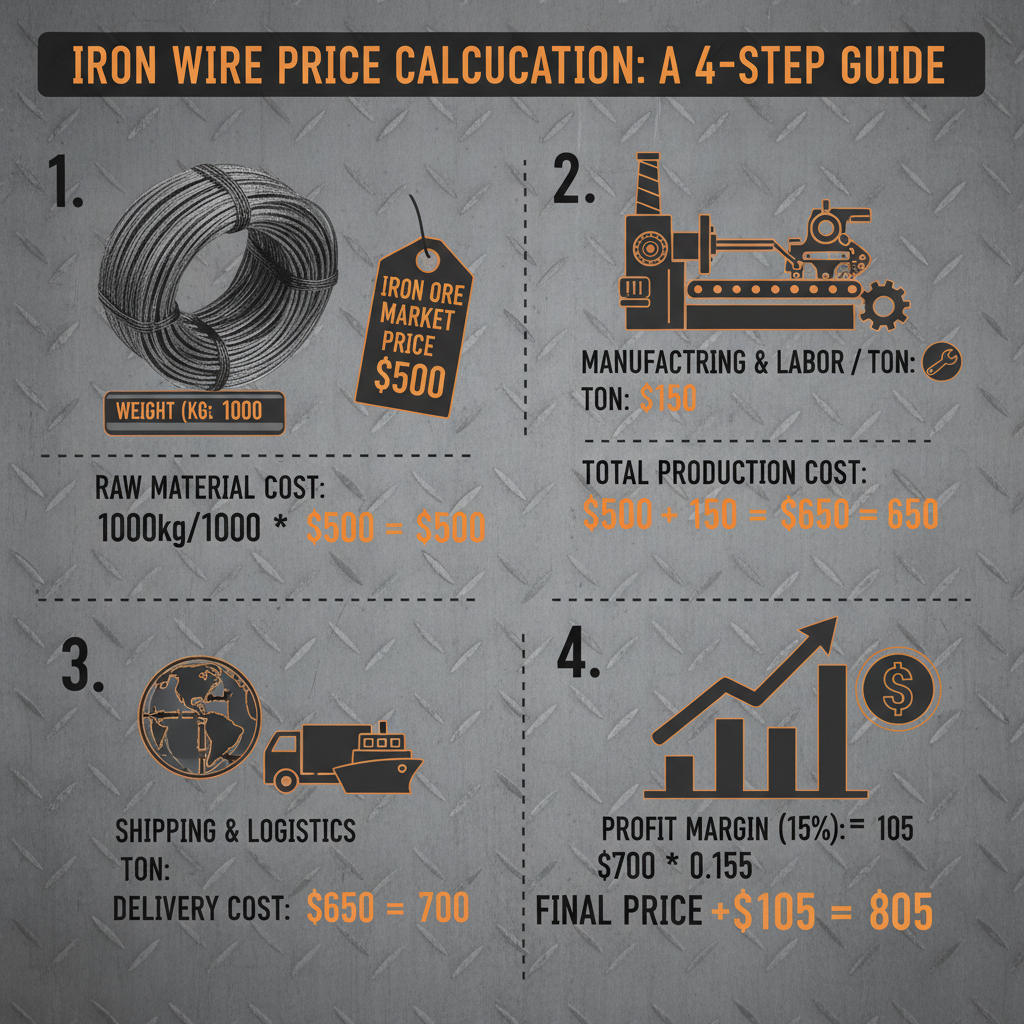
The pricing of wire mesh is primarily driven by the raw material weight and the complexity of the weaving or welding process. For those seeking cheap wire mesh, it is important to recognize that the cost of the base wire (steel or stainless) constitutes the largest portion of the invoice. Fluctuations in global metal markets directly impact the final price per roll or panel.
Secondary cost drivers include surface treatments such as galvanization or PVC coating. While a basic galvanized finish is generally the most economical for outdoor use, the thickness of the zinc layer (zinc coating weight) can vary. Choosing a standard commercial grade coating rather than a heavy-duty industrial grade can significantly reduce upfront costs for low-corrosion environments.
Material Selection for Maximum Cost-Efficiency
Selecting the right material is the most effective way to lower costs without introducing unacceptable risk. For general boundary protection, galvanized steel remains the industry standard for budget-conscious projects. It provides a reliable balance of strength and rust resistance, making it suitable for chain link fences and hexagonal wire mesh used in agricultural settings.
In environments where aesthetics or extra protection are required, PVC-coated wire offers a middle-ground solution. While slightly more expensive than plain galvanized wire, it extends the lifespan of the product in humid conditions, potentially lowering the long-term cost of maintenance. For temporary structures, black annealed wire or basic iron wire may be the cheapest options, though they lack long-term weather resistance.
Balancing Gauge and Aperture for Budget Projects
The "cheapness" of a mesh is often a function of its density. Increasing the mesh size (aperture) while maintaining the same wire diameter reduces the total amount of metal required per square meter. For example, a larger mesh size for a field fence will inherently be more cost-effective than a tight-weave security mesh.
However, reducing the wire gauge (making the wire thinner) to save money can lead to structural instability. In professional manufacturing, we recommend optimizing the aperture to the maximum allowable size for the intended application—such as using specific mesh sizes for chicken cages or rabbit cages—rather than compromising the wire thickness, which ensures the fence remains functional.
Relative Cost-Performance Index by Mesh Type
To visualize the value proposition of different wire mesh types, we use a normalized Cost-Performance Index. This illustrative framework compares the initial purchase price against the projected functional lifespan. A higher score indicates a better "value for money" ratio, where the product provides high utility relative to its low cost.
As shown in the conceptual analysis, galvanized chain link and hexagonal mesh typically offer the highest relative value for general-purpose use. In contrast, specialized products like stainless steel mesh have higher initial costs, which may be unjustifiable unless the application involves extreme chemical exposure or high-temperature requirements.
Strategic Sourcing: Manufacturer vs. Trader
The procurement channel significantly influences the final price of cheap wire mesh. Sourcing directly from a manufacturer, such as Anping Honglin Wire Mesh Co., Ltd, eliminates the margins added by trading companies. Direct factory sourcing allows for precise customization of wire diameter and mesh size, ensuring you only pay for the specifications you actually need.
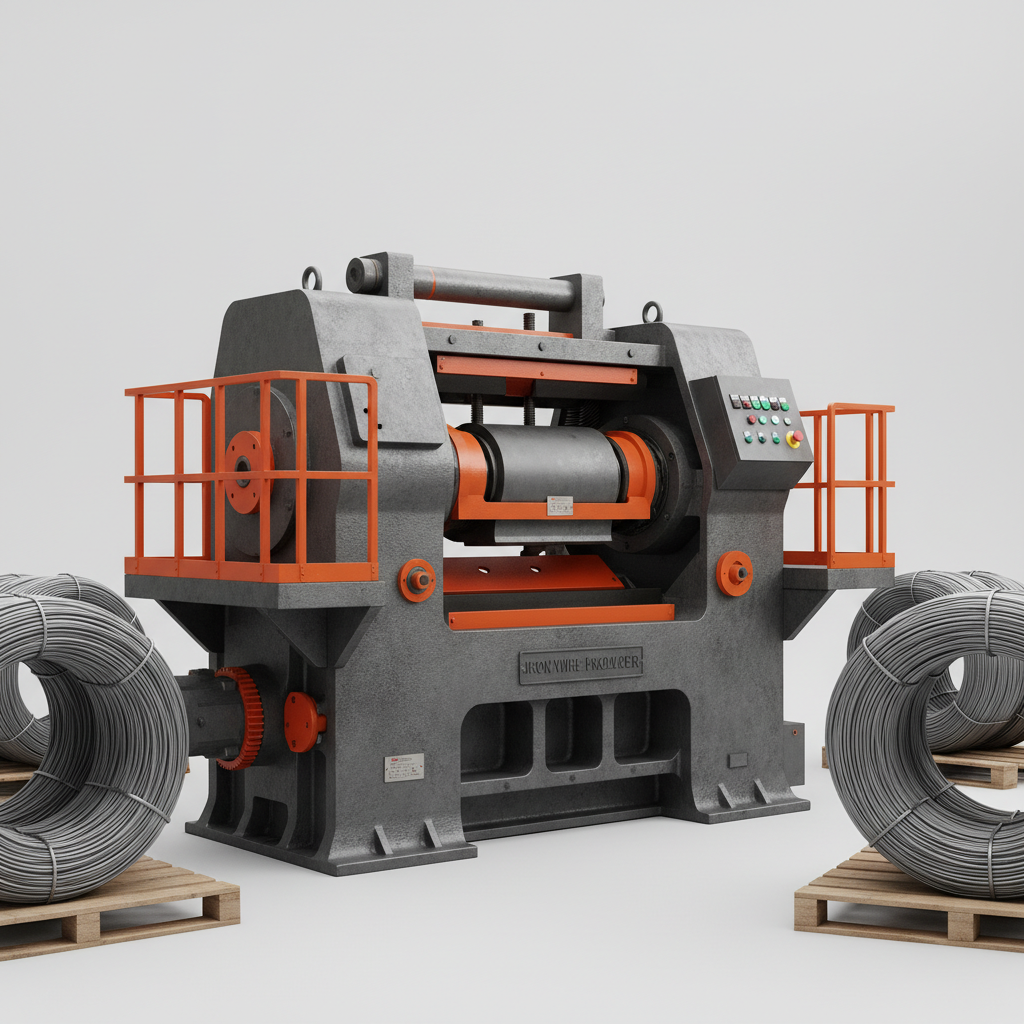
Manufacturers with integrated production lines—covering everything from galvanized wire production to final mesh weaving—can offer more competitive pricing due to lower internal logistics costs. Furthermore, direct communication with the factory's technical team helps in identifying alternative specifications that can lower the price without impacting the project's structural requirements.
Common Pitfalls in Budget Mesh Procurement
One of the most frequent mistakes in seeking cheap wire mesh is ignoring the "zinc coating weight." Some low-cost suppliers reduce the amount of zinc during the galvanization process. While the mesh looks identical at the time of purchase, it will rust significantly faster, leading to complete failure within a fraction of the expected lifespan.
Another common error is the failure to specify the precise weight per roll or panel. Budget suppliers may slightly reduce the wire gauge across a large order to save material costs—a difference that may be imperceptible in a sample but results in a substantial loss of strength across a large installation. Always require a technical data sheet and verify the actual weight of the delivered goods.
Budget-Friendly Selection Decision Framework
Choosing the most economical wire mesh requires matching the material to the environment. The following table provides a qualitative comparison of common budget-friendly options based on application, cost drivers, and primary risks.
| Mesh Type | Primary Use | Cost Driver | Main Risk |
|---|---|---|---|
| Galvanized Chain Link | Perimeter Fencing | Wire Gauge | Zinc Flaking |
| Hexagonal Mesh | Poultry/Animal Cages | Aperture Size | Low Tension |
| Welded Wire Mesh | Industrial Partition | Weld Point Quality | Joint Corrosion |
| PVC Coated Mesh | Residential/Garden | Coating Thickness | UV Degradation |
| Expanded Metal | Security/Walkways | Sheet Thickness | Sharp Edges |
| Black Annealed | Temporary Support | Material Purity | Rapid Oxidation |
By utilizing this framework, buyers can move beyond simply searching for the lowest price and instead focus on the lowest "cost per year of service." This approach ensures that the selected cheap wire mesh provides the necessary security and durability for its intended lifespan.
Frequently Asked Questions
Check the zinc coating weight and the consistency of the wire diameter. Low-quality mesh often has uneven galvanization or thinner wire than specified. Requesting a sample and performing a simple weight check per roll can reveal these discrepancies.
Hexagonal wire mesh (chicken wire) is generally the most economical for small animals. For larger animals requiring more strength, galvanized welded wire mesh provides a better balance of cost and durability.
It adds a moderate cost increase compared to plain galvanized wire. However, in high-moisture environments, it reduces the frequency of replacement, making it a more cost-effective choice over a 5-to-10-year period.
Wire mesh is produced in continuous runs. Larger orders (FCL) reduce the per-unit setup cost of the machinery and allow for better raw material pricing, significantly lowering the cost per meter.
You must provide the material (e.g., galvanized steel), wire diameter, mesh aperture size, weight per roll, preferred packaging, and the total quantity needed.
In terms of initial purchase, no. However, in highly corrosive chemical environments where galvanized mesh would fail in months, stainless steel is the "cheapest" option because it avoids constant replacement costs.
Conclusion
Securing cheap wire mesh is not about finding the lowest possible price, but about optimizing the technical specifications to match the project's actual needs. By prioritizing the correct material grade, optimizing the mesh aperture, and sourcing directly from experienced manufacturers, procurement officers can significantly reduce expenses without risking structural failure or premature corrosion.
For those evaluating cost-effective fencing or mesh solutions for industrial or agricultural use, detailed product specifications and manufacturer capabilities are key. You can explore available options and request application-specific quotes at www.ironwirefactorys.com to ensure your project achieves the best balance of budget and durability.