- Afrikaans
- Albanian
- Amharic
- Arabic
- Azerbaijani
- Belarusian
- Bulgarian
- Croatian
- Czech
- Danish
- Dutch
- English
- Estonian
- Finnish
- French
- German
- Greek
- Hungarian
- Indonesian
- Italian
- Japanese
- Javanese
- Korean
- Latvian
- Lithuanian
- Macedonian
- Malay
- Maltese
- Nepali
- Norwegian
- Persian
- Polish
- Portuguese
- Romanian
- Russian
- Serbian
- Sinhala
- Slovak
- Slovenian
- Spanish
- Swahili
- Swedish
- Tagalog
- Tamil
- Thai
- Turkish
- Ukrainian
- Urdu
- Uzbek
- Vietnamese

News
-
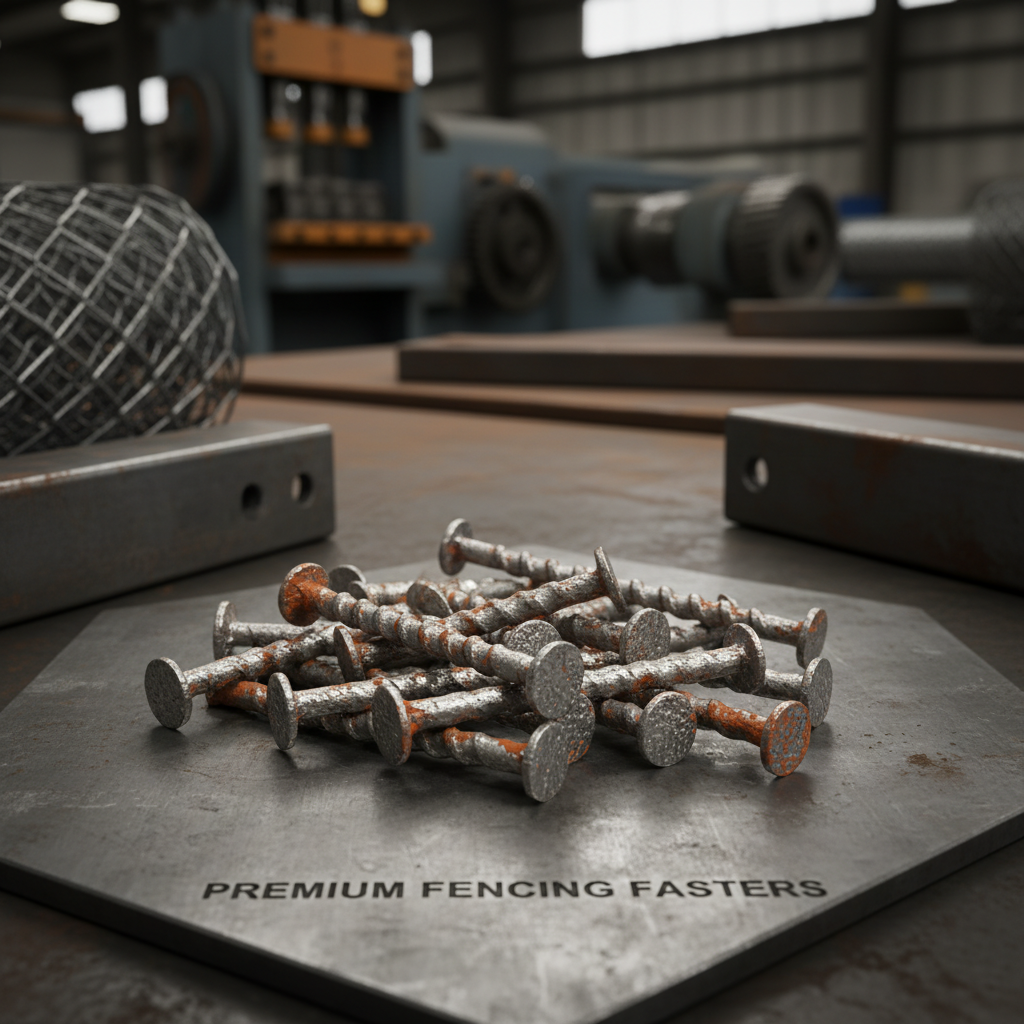
Choosing the Right Nails for Fencing Pickets for a Long Lasting Fence
Building or repairing a fence is a significant investment, and using the correct nails for fencing pickets is crucial for its longevity and structural integrity. The wrong nails can lead to splitting, corrosion, and ultimately, fence failure. This article will explore the different types of nails available, factors to consider when choosing, and how to ensure a strong, lasting fence. We'll cover everything from galvanized options to ring shank nails, helping you make the best choice for your project. Find quality fencing supplies and nails at Iron Wire Factory. Several types of nails are commonly used for fencing, each with its own advantages and disadvantages. Galvanized nails are the most popular choice, offering excellent corrosion resistance, making them ideal for outdoor use. Ring shank nails provide superior holding power due to their rings that grip the wood fibers. Smooth shank nails are easier to drive but offer less holding strength. Finally, aluminum nails are lightweight and corrosion-resistant, often used with treated lumber to avoid discoloration. Choosing the right nail type depends on the wood used, the climate, and the desired level of durability.Read more -
Choosing the Best Nails for Cedar Fence Boards for Long Lasting Results
Building or repairing a cedar fence is a fantastic way to enhance your property's curb appeal and provide lasting security. However, selecting the correct nails for cedar fence boards is crucial for a durable and aesthetically pleasing result. Cedar, while naturally resistant to decay, requires fasteners that won't react with its oils and cause staining or premature failure. This article delves into the best nail options, factors to consider, and tips for successful fence construction. Choosing the right nails ensures your fence stands strong for years to come. Cedar wood contains natural oils that contribute to its resistance to rot and insects. However, these oils can react with certain metals, causing staining around the nail heads and potentially accelerating corrosion. Therefore, it’s vital to avoid using fasteners made from carbon steel, as they will readily react with cedar's tannins. Instead, opt for nails crafted from materials specifically suited for cedar, such as hot-dipped galvanized steel, stainless steel, or aluminum. These materials are resistant to the corrosive effects of cedar’s oils, ensuring a long-lasting and visually appealing fence.Read more -
Comprehensive Guide to Selecting the Best Metal Nails for Wood Projects
Selecting the appropriate metal nails for wood is crucial for any woodworking project, from simple repairs to complex constructions. The type of nail significantly impacts the strength, durability, and aesthetic outcome of your work. This article provides a detailed overview of different nail types, materials, sizes, and considerations for choosing the best option for your specific needs. We’ll explore the nuances of selecting nails to ensure your projects stand the test of time. Proper nail selection can make all the difference between a professional-looking finish and a compromised structure. There's a vast array of metal nails available, each designed for a specific purpose. Common types include common nails (for general construction), finishing nails (for trim and molding where minimal visibility is desired), box nails (used for lighter duty applications like crates and boxes), and roofing nails (designed for securing roofing materials). Beyond these basics, you'll find specialized nails like spiral shank nails (providing increased holding power), ring shank nails (excellent for shear strength), and concrete nails (designed to penetrate concrete and wood simultaneously). The choice depends on the project’s requirements and the type of wood being used.Read more -
Comprehensive Guide to Lumber Nails Types Sizes and Best Practices
Lumber nails are a fundamental fastening component in construction, woodworking, and a wide array of DIY projects. Choosing the right nail for the job is crucial for structural integrity and project longevity. This article will provide an in-depth look at lumber nails, covering types, sizes, materials, applications, and best practices for selection. Whether you’re a seasoned professional or a weekend hobbyist, understanding the nuances of lumber nails will significantly improve the quality of your work. We’ll explore the key factors to consider when purchasing and using these essential fasteners. Lumber nails aren’t one-size-fits-all. They come in various types, each designed for specific applications. Common types include: Common nails, Box nails, Finishing nails, Roofing nails, and Brad nails. Common nails are general-purpose fasteners, while box nails are thinner and used for lighter-duty applications like crates and boxes. Finishing nails are designed to be set below the surface and filled, creating a smooth, clean look. Roofing nails have large heads for secure attachment to roofing materials, and Brad nails are small and used for delicate work like trim and molding. Understanding these differences is the first step toward choosing the correct nail.Read more -
Comprehensive Guide to Lignoloc Nails for Timber Framing and Construction
When it comes to modern timber framing and construction, the choice of fasteners is crucial. Lignoloc nails represent a revolutionary approach, offering a strong, reliable, and aesthetically pleasing alternative to traditional fastening methods. This article will explore the benefits, applications, and technical aspects of Lignoloc nails, providing a comprehensive overview for builders, architects, and anyone involved in timber construction. Investing in quality fasteners like Lignoloc is an investment in the long-term stability and beauty of your projects. Lignoloc nails are specifically engineered timber fasteners designed for use with timber framing and construction. Unlike conventional nails, Lignoloc nails feature a unique head design and are installed using specialized pneumatic nailers. This process creates a mechanical interlock between the nail and the wood fibers, resulting in exceptionally high withdrawal resistance.Read more -
Comprehensive Guide to Large Wood Nails for Robust Woodworking Projects
When undertaking woodworking projects, particularly those involving structural integrity or exterior applications, the choice of fastener is paramount. Large wood nails offer a robust and time-tested solution for securing timber, providing a strong hold without splitting the wood. This guide delves into the properties, applications, types, and benefits of large wood nails, helping you select the right fastener for your specific needs. Understanding these essential components ensures the longevity and safety of your projects. Iron Wire Factory specializes in providing high-quality large wood nails for a variety of applications. Large wood nails, as the name suggests, are significantly larger in diameter and length than conventional nails. They're typically constructed from high-carbon steel, providing exceptional strength and resistance to bending. Unlike screws, nails displace wood fibers rather than cutting through them, minimizing the risk of splitting, especially in hardwoods. This makes them ideal for applications where preserving the aesthetic integrity of the wood is crucial.Read more -
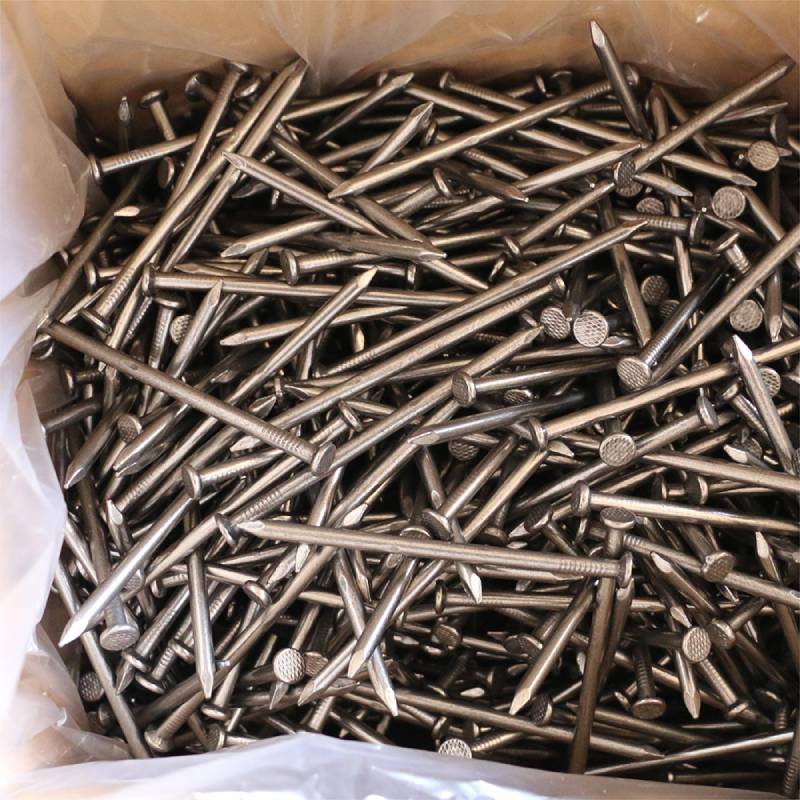
Common Nails - Anping County Honglin Wire Mesh | Durable, Versatile Construction Solution
Discover durable and versatile common nails for construction. Featuring corrosion-resistant finishes and robust steel quality, Anping County Honglin Wire Mesh ensures reliable performance. Explore our solutions: https://www.ironwirefactory.com/common-nail.htmlRead more -
Expert Guide to Selecting the Right Furniture Finishing Nails for Superior Results
Achieving a flawless finish on furniture projects requires not only skill but also the right tools and materials. Among these, furniture finishing nails play a crucial role in securely fastening pieces while minimizing visible imperfections. This article provides a comprehensive guide to understanding different types of furniture finishing nails, their applications, and how to select the best options for your projects. We will also explore the benefits of sourcing quality nails from a reputable supplier like Iron Wire Factory. Furniture finishing nails come in various types, each designed for specific applications. Brad nails, for example, are very thin and leave minimal visible holes, making them ideal for delicate trim work and molding. Pin nails are even smaller than brad nails and are often used for extremely fine details where even a small hole would be noticeable. Lost head nails are designed to be driven below the surface of the wood and then covered with wood filler for a truly invisible finish. Finally, cushioned grip nails reduce the risk of splitting the wood and provide a secure hold. Choosing the correct nail type is paramount for a professional result.Read more -
Essential Guide to Selecting Framing Nails for Treated Lumber Applications
When undertaking construction or renovation projects involving treated lumber, selecting the appropriate framing nails is crucial for structural integrity and longevity. Treated lumber, while resistant to rot and insect damage, presents unique challenges due to its chemical composition. Using the wrong nails can lead to corrosion, reduced holding power, and ultimately, project failure. This article will explore the specific considerations for choosing framing nails designed for treated lumber, covering materials, coatings, and sizing. We’ll also help you understand the importance of corrosion resistance to ensure a secure and lasting build. Treated lumber is impregnated with chemical preservatives to protect it from decay and pests. These chemicals, particularly alkaline copper quaternary (ACQ) and copper azole (CA), are corrosive to many common nail materials, like carbon steel. The chemical reaction causes the nails to rust rapidly, weakening their grip and eventually leading to structural instability.Read more -
Comprehensive Guide to Galvanized Common Nails for Construction Projects
When undertaking construction, repair, or woodworking projects, the right fasteners are crucial. Galvanized common nails are a versatile and reliable choice for a wide array of applications. This article will delve into the specifics of galvanized common nails, covering their properties, uses, benefits, and what to look for when purchasing. We'll also explore why choosing the right nail can significantly impact the longevity and structural integrity of your projects. Galvanized common nails are characterized by their thick shank, large head, and diamond point. The "common" designation refers to their widespread use in general construction and framing. The key feature, however, is the galvanization process. This involves coating the steel nail with a layer of zinc, which acts as a barrier against corrosion. This makes them ideal for both indoor and outdoor projects, particularly where exposure to moisture is a concern. Iron Wire Factory offers a wide range of sizes and quantities to meet diverse needs.Read more -
Understanding Common Wire Nails Price A Comprehensive Guide To Purchasing
Understanding the price of common wire nails is crucial for both DIY enthusiasts and professionals in construction and related fields. This article provides a detailed overview of the factors influencing the price, typical price ranges, and how to get the best value. We'll explore different nail sizes, materials, and quantities, offering insights into the market dynamics and helping you make informed purchasing decisions. Choosing the right nails at the right price is essential for project success. Several factors contribute to the price of common wire nails. The primary driver is the material used – typically carbon steel, although galvanized or stainless steel options are available. The size (length and gauge) significantly impacts cost, with larger and thicker nails commanding a higher price. Quantity purchased also plays a role; bulk orders generally benefit from lower per-unit costs.Read more -
Understanding Common Wire Nail Sizes for Effective Construction Projects
When undertaking any construction or woodworking project, selecting the correct wire nail sizes is critical for both structural integrity and aesthetic finish. Different projects require varying nail lengths and gauges to ensure a secure and lasting hold. This guide provides a comprehensive overview of common wire nail sizes, their applications, and how to choose the right nails for your specific needs. Understanding these nuances will contribute to safer and more effective building practices. Wire nail size is defined by two main factors: length and gauge. Length is measured in inches and refers to the nail’s overall length, from head to point. Gauge, often represented by a number (e.g., 6d, 8d), indicates the nail’s thickness – a higher number means a thinner nail. Generally, thinner nails are used for more delicate work, while thicker nails offer stronger holding power. The right combination depends on the materials being joined and the stress the joint will endure.Read more


